What You'll Find in This Guide
If your dog is scratching non-stop from allergies, you've probably thought about Benadryl. I did too when my Labrador, Max, got into some poison ivy last summer. The vet said Benadryl could help, but getting the dose wrong? That's where things get scary. After that experience, I dug deep into the research, talked to vets, and realized most dosage charts online are too vague. So here's a no-nonsense guide based on weight, safety, and real-world use.
What is Benadryl and When to Use It for Dogs?
Benadryl is the brand name for diphenhydramine, an antihistamine. In dogs, it's often used for allergies, itching, or mild motion sickness. But here's something most sites don't tell you: it's not FDA-approved for dogs. Vets prescribe it off-label, meaning the dosage isn't standardized. According to the American Veterinary Medical Association (AVMA), antihistamines like Benadryl can be safe if used correctly, but they emphasize consulting a vet first.
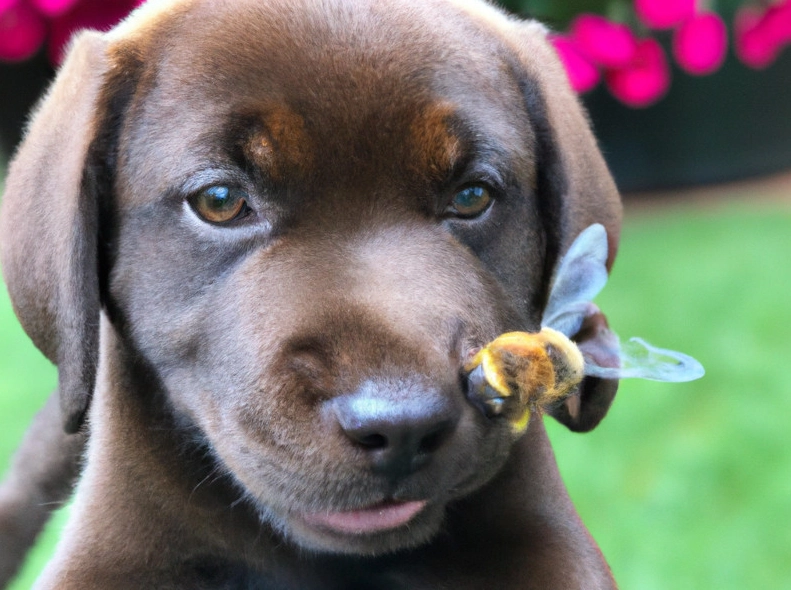
When should you consider it? Think seasonal allergies, insect bites, or mild anxiety from travel. For severe cases like anaphylaxis, rush to the vet—Benadryl alone won't cut it. I've seen owners use it for bee stings, and it works if given quickly, but always call your vet to confirm.
How to Calculate Benadryl Dosage for Dogs
The standard rule is 1 mg of Benadryl per pound of body weight, given every 8-12 hours. Sounds simple, right? But in practice, it's messier. Dogs metabolize drugs differently based on age, breed, and health. A senior dog might need half that dose.
Understanding the Standard Dosage Formula
Let's break it down. If your dog weighs 40 pounds, that's 40 mg per dose. Benadryl tablets are usually 25 mg each, so you'd give about 1.5 tablets. But wait—cutting tablets can be inaccurate. I prefer liquid Benadryl for small dogs; it's easier to measure. The concentration is often 12.5 mg per 5 ml, so for a 20-pound dog, you'd need 8 ml. Do the math carefully.
Benadryl Dosage Chart by Weight
This chart is based on the 1 mg per pound guideline, but remember, it's a starting point. Always adjust with vet advice.
| Dog Weight (lbs) | Benadryl Dosage (mg) | Approximate Tablet Count (25mg tablets) | Liquid Benadryl (12.5mg/5ml) |
|---|---|---|---|
| 10 | 10 mg | 0.5 tablet | 4 ml |
| 20 | 20 mg | 1 tablet | 8 ml |
| 30 | 30 mg | 1.5 tablets | 12 ml |
| 40 | 40 mg | 2 tablets | 16 ml |
| 50 | 50 mg | 2 tablets | 20 ml |
| 60 | 60 mg | 2.5 tablets | 24 ml |
| 70 | 70 mg | 3 tablets | 28 ml |
| 80+ | 80 mg max* | 3 tablets max* | 32 ml max* |
*Note: For dogs over 80 pounds, many vets cap the dose at 80 mg to avoid side effects. My vet once mentioned that large breeds like Great Danes can be more sensitive, so they might stick to 60 mg.
Case study: A friend's Border Collie, weighing 45 pounds, had allergy flare-ups. They started with 45 mg (almost 2 tablets), but the dog got too drowsy. The vet suggested splitting the dose—22.5 mg twice a day—and it worked better. So, the chart isn't gospel.
Safety Precautions and Side Effects
Benadryl isn't candy. Side effects include drowsiness, dry mouth, or urinary retention. In rare cases, it can cause hyperactivity—yes, some dogs get wired instead of sleepy. I've seen a terrier who became restless after a dose, which is why monitoring is key.
Red flags: If your dog shows vomiting, rapid heartbeat, or seizures, stop immediately and call the vet. These could indicate an overdose or allergic reaction to the medication itself.
Precautions? Avoid Benadryl if your dog has glaucoma, heart disease, or is pregnant. Also, check the ingredients—some formulations contain xylitol, a sweetener toxic to dogs. I always buy plain diphenhydramine without additives.
Another tip: Start with a lower dose for the first time. Give half the calculated amount, wait a few hours, and see how your dog reacts. It's tedious, but safer.
How to Administer Benadryl to Your Dog
Giving pills to dogs can be a battle. I've tried hiding them in cheese, but Max always found them. Here's what works:
- Tablets: Crush and mix with wet food or peanut butter (xylitol-free). For picky eaters, use pill pockets—they're a lifesaver.
- Liquid: Use a syringe to squirt into the cheek pouch. Go slow to prevent choking.
- Timing: Give with food to reduce stomach upset. If it's for travel anxiety, administer 30 minutes before the car ride.
I learned the hard way: never force a pill down the throat without water. It can get stuck. One time, my dog coughed it up, and we had to start over.
Common Mistakes to Avoid When Giving Benadryl to Dogs
Most owners mess up in subtle ways. Here are three big ones:
- Guessing weight: Weigh your dog properly. Guessing can lead to overdose. A 5-pound error might not seem like much, but for a small dog, it's significant.
- Ignoring health conditions: If your dog has kidney issues, the dose needs adjustment. I met an owner whose dog had mild kidney disease, and the standard dose caused lethargy for days.
- Using human cold formulas: Avoid multi-symptom Benadryl with decongestants like pseudoephedrine—it's toxic to dogs. Stick to plain diphenhydramine.
Also, don't assume Benadryl is a cure-all. For chronic itching, it might mask symptoms without addressing the root cause, like food allergies. My vet always says, treat the problem, not just the itch.
FAQs About Benadryl for Dogs
In the end, Benadryl can be a handy tool for dog owners, but it's not a one-size-fits-all solution. Use the chart as a guide, listen to your vet, and always prioritize safety. When Max had that poison ivy incident, the right dose made all the difference—he stopped scratching within hours. But it took careful calculation and a follow-up call to the clinic. Your dog's health is worth that extra step.


Leave a comment