You've made the switch to homemade dog food. You're carefully weighing the chicken, measuring the rice, and chopping the veggies. But when you put the bowl down, your dog gives it a sniff and walks away. It's frustrating, right? I've been there. After a decade of crafting meals for my own dogs and consulting for others, I've learned one thing: the secret isn't just in the main ingredients—it's in the homemade dog food seasoning.
This isn't about sprinkling table salt or garlic powder (which is toxic, by the way). It's about understanding how to use safe, nutrient-dense human foods to enhance palatability and fill nutritional gaps that raw meat and veggies might miss. Let's cut through the noise and get into what actually works.
What's Inside This Guide
- Why Homemade Dog Food Seasoning Actually Matters
- The 3 Non-Negotiable Principles of Safe Seasoning
- Your Go-To Ingredient List: What's Safe, What's Not
- 3 Simple, Vet-Approved Seasoning Recipes
- The Biggest Mistake Even Experienced Owners Make
- Advanced Tips: For Picky Eaters & Specific Needs
- Your Seasoning Questions, Answered
Why Homemade Dog Food Seasoning Actually Matters
Think of seasoning as the bridge between nutrition and enjoyment. A bland meal of plain boiled chicken and brown rice might meet basic calorie needs, but it's often deficient in key micronutrients and, frankly, boring for your dog. A 2011 study published in the Journal of Animal Physiology and Animal Nutrition highlighted that palatability directly influences food intake and satisfaction in animals. When dogs enjoy their food, they eat more consistently, which is crucial for maintaining weight and energy.
More importantly, strategic seasoning adds back nutrients that are lost in cooking or are missing from a simple meat-and-carb base. For instance, organ meats are nutritional powerhouses but can be off-putting. A sprinkle of nutritional yeast or a dash of powdered green tripe can mimic those savory, nutrient-rich notes without the texture issue.
The 3 Non-Negotiable Principles of Safe Seasoning
Before you raid your spice rack, internalize these rules. They're more important than any single recipe.
1. No Onions, Garlic, or Related Alliums. Ever.
This is the hill I will die on. While you might find outdated sources suggesting small amounts of garlic are okay for flea control, the consensus among modern veterinarians and toxicology experts is clear: it's not worth the risk. Alliums contain compounds that can cause oxidative damage to red blood cells, leading to hemolytic anemia. The toxic dose varies by dog, and chronic, low-level exposure can be just as dangerous as a one-time large dose. Just leave them out.
2. Season the Food, Not the Dog's Bowl
Here's a subtle error I see all the time. People mix a powder and keep it in a shaker, sprinkling it on top of the finished meal. The problem? The seasoning often ends up as a concentrated pile that your dog might avoid or, conversely, gobble up first, leaving the rest of the meal. Always mix your seasoning blend thoroughly into the entire batch of food while it's still warm (not hot). This allows the flavors and nutrients to meld and distribute evenly.
3. Start Low, Go Slow
Your dog's digestive system is sensitive. Introducing multiple new ingredients at once is a recipe for an upset stomach or, worse, masking a food intolerance. When you try a new seasoning ingredient—like kelp powder or a new type of bone broth—add just a pinch to one meal and observe for 24-48 hours. No diarrhea, no vomiting, no unusual itching? Great. You can slowly increase the amount over the next week.
Your Go-To Ingredient List: What's Safe, What's Not
Let's get specific. This isn't an exhaustive list, but these are the workhorses I use weekly. I've broken them down by category.
| Ingredient | Primary Benefit | How to Use & Precautions |
|---|---|---|
| Bone Broth (unsalted) | Hydration, joint support (collagen/gelatin), palatability. | Use as a liquid base for mixing kibble or moistening homemade food. Ensure it's onion/garlic-free. You can make your own or buy from trusted pet brands. |
| Nutritional Yeast | B-vitamins, protein, "cheesy" flavor dogs love. | A tiny sprinkle (1/4 tsp for medium dogs) is a powerful flavor enhancer. Avoid varieties fortified with synthetic vitamins meant for humans. |
| Dried Kelp or Seaweed Powder | Natural source of iodine, trace minerals. | A pinch goes a VERY long way. Critical for thyroid health. Source from reputable suppliers to ensure purity from heavy metals. |
| Powdered Pumpkin or Sweet Potato | Fiber, vitamins A & C, helps regulate digestion. | Great for firming up stools or adding moisture. Start with 1/2 tsp. Ensure it's 100% pure with no added sugars/spices. |
| Ground Flaxseed or Chia Seeds | Omega-3 fatty acids (ALA), fiber. | Must be ground for digestibility. Add after cooking to preserve oils. Refrigerate after opening. |
| Plain, Unsalted Organ Meat Powder (e.g., liver, heart) | Extremely dense in vitamins (A, B12, Iron), natural flavor. | The ultimate "secret weapon" for picky eaters. A little (1/2 tsp) makes the whole meal smell irresistible and is highly nutritious. |
3 Simple, Vet-Approved Seasoning Recipes
These are base templates. Adjust amounts based on your dog's size and the total volume of food. For a 30lb dog eating 1 cup of homemade food per meal.
1. The "Basic Boost" Blend
Ideal for: Everyday use, adding foundational nutrients to simple meals.
You'll need:
- 2 tablespoons powdered unsalted bone broth (or 1/4 cup liquid bone broth)
- 1 tablespoon nutritional yeast
- 1 teaspoon ground flaxseed
- 1/2 teaspoon dried kelp powder
2. The "Picky Eater" Powder
Ideal for: The dog who sniffs and walks away. This is intensely savory.
You'll need:
- 1 tablespoon freeze-dried liver powder (100% pure, like from a pet store)
- 1 tablespoon powdered pumpkin
- 1 teaspoon nutritional yeast
- 1/2 teaspoon powdered green tripe (if you can handle the smell—it's magic for dogs)
3. The "Gut-Soothing" Mix
Ideal for: Dogs with sensitive stomachs or during dietary transitions.
You'll need:
- 2 tablespoons plain canned pumpkin (not pie filling) or sweet potato puree
- 1 tablespoon plain, unsweetened goat's milk kefir or probiotic powder
- 1 teaspoon slippery elm powder (consult your vet first)
The Biggest Mistake Even Experienced Owners Make
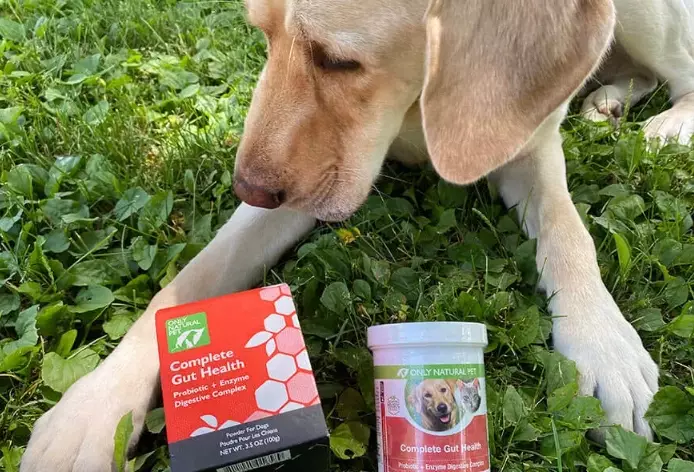
Relying on a single, commercial "dog food topper" or seasoning and calling it a day. Here's my non-consensus take: most commercial toppers, while convenient, are the fast food of the dog supplement world. They're often high in sodium, use vague "natural flavors," and lack the fresh, synergistic nutrient profile of a simple homemade blend.
The real magic happens when you rotate your seasoning ingredients. Don't just use the Basic Boost blend every single day for years. One week, emphasize bone broth and kelp for minerals. The next, focus on flaxseed and a fish oil drizzle for omega-3s. This rotational approach mimics variety in nature and helps prevent the buildup of too much of any single nutrient, which can be just as problematic as a deficiency. It also keeps your dog interested.
Advanced Tips: For Picky Eaters & Specific Needs
If the Picky Eater Powder doesn't work, you need to play with temperature and texture. Warm the food slightly (to just above room temp) to release aromas. Try a different protein-based powder—some dogs go wild for freeze-dried salmon powder instead of liver.
For senior dogs with lower appetites, moisture is key. A generous pour of warm bone broth over the food makes it easier to eat and more aromatic.
A personal story: My old Labrador, Barney, became a terribly picky eater in his later years. Plain chicken? No thanks. I started making a super-concentrated "gravy" by simmering beef heart (very cheap from the butcher) in water with a chunk of sweet potato until it fell apart, then blending it all into a thick paste. A spoonful of that mixed into his food solved the problem. It was pure, natural, meaty flavor he couldn't refuse.




Leave a comment