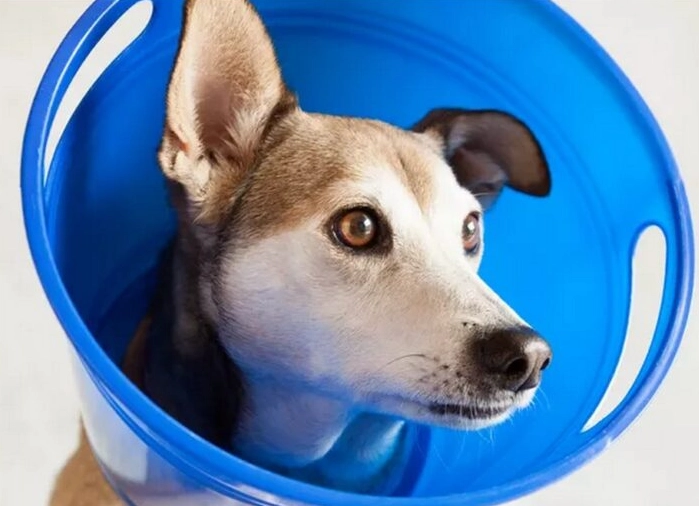
That plastic cone, the Elizabethan collar, is a veterinary staple for a reason. It works. It prevents licking, chewing, and scratching at wounds or stitches with near-perfect efficiency. But let's be honest—it turns your dog into a miserable, doorframe-bashing satellite dish. They can't eat comfortably, they can't drink without making a mess, and the constant clanging against walls is enough to drive everyone insane.
The good news? You have options now. Modern dog cone alternatives focus on comfort without completely sacrificing protection. The trick isn't just finding a softer option; it's matching the right alternative to your dog's specific injury, personality, and body type.
What You'll Find Inside
Why Even Consider Ditching the Classic Cone?
It's not just about comfort, though that's a huge part. A stressed, anxious dog heals slower. The constant stress from the cone can suppress their immune response. Think about it. Would you recover well if you were trapped in a giant, rigid funnel for two weeks?
The other big reason is compliance. Some dogs become so distressed by the cone that owners take it off out of pity, leaving the wound unprotected. Or the dog learns to slam it against furniture hard enough to break it. A more comfortable alternative is one they'll actually keep on, providing consistent protection.
I learned this the hard way with my Labrador, Finn. After his knee surgery, the cone made him so anxious he refused to sleep. We switched to an inflatable collar, and he was asleep within an hour. The wound stayed clean, and his mood improved dramatically.
Veterinary Note: Always, always consult your vet before switching from their prescribed cone. They know the location and vulnerability of the incision. Some wounds, especially those in highly accessible spots, absolutely require the full barrier of a traditional cone for the first critical days.
Top Dog Cone Alternatives Reviewed
Not all alternatives are created equal. Each has a sweet spot. Here’s a breakdown of the most popular options, warts and all.
| Alternative | Best For | Biggest Pro | Potential Con |
|---|---|---|---|
| Inflatable Collar (Donut) | Neck, shoulder, ear wounds. Dogs who need to eat/drink easily. | Extremely comfortable. Allows normal sleep posture. | Dogs with long legs can sometimes still reach back leg incisions. |
| Soft Fabric Recovery Collar | General protection with less obstruction. Sensitive dogs. | Flexible, quiet, and less visually intimidating. | Not rigid enough for determined chewers. Can get dirty quickly. |
| Recovery Suit (Onesie) | Abdominal surgeries (spays), back, flank wounds. | Full-body coverage. Eliminates neckwear entirely. | Can cause overheating. Needs frequent washing. |
| Neck Brace Collar | Dogs with neck injuries or extreme flexibility. | Limits head movement very effectively. | Can be bulky and restrictive for normal movement. |
| Paw-specific Solutions (Socks/Booties) | Isolated paw or lower leg injuries. | Targeted protection without affecting the head/neck. | Can be chewed off or slipped off if not secured well. |
The Inflatable Dog Collar: The Travel Pillow Approach
This is the most popular cone alternative, and for good reason. It looks like a travel neck pillow for your dog. It works by creating a wide, soft barrier around the neck, limiting how far they can bend their head around.
Where it shines: For surgeries on the head, neck, or front legs, it's often perfect. Finn could eat, drink, and sleep on his side with zero issues. Brands like the KONG Cloud Collar are well-made with durable, easy-clean covers.
The catch: For a wound on a back thigh or the base of the tail, a clever dog might still contort enough to reach it. It's also not for aggressive chewers—a determined dog can puncture it. Always have a backup.
The Soft Recovery Collar: The Comfy Cone Upgrade
Imagine the classic cone shape, but made from padded, flexible fabric like fleece or nylon. These are quieter and lighter, and they often have a wider, softer edge that rests on the shoulders.
Where it shines: Great for dogs spooked by the plastic's rigidity and noise. They offer better peripheral vision. A product like the Comfy Cone is adjustable and can be flattened for travel or eating.
The catch: That softness is a double-edged sword. A truly persistent dog can fold it and get to their wound. I don't recommend it for dogs who are already focused on licking their incision. It's more of a deterrent than an absolute barrier.
The Recovery Suit: The Full-Body Solution
This is a game-changer for spay surgeries. It's a stretchy bodysuit that covers the torso, protecting the abdominal incision. No cones, no collars.
Where it shines: Absolute lifesaver for female dogs after being spayed. It keeps the site clean and protected from licking. It also provides light compression, which can reduce swelling. Brands like Suityall or VetMed make them with strategic snaps for bathroom breaks.
The pro tip nobody tells you: Buy two. They will get soiled, and you need one to wear while the other is in the wash. Also, ensure it's made of a breathable mesh material to prevent overheating.
How to Choose the Right Alternative for Your Dog
Don't just pick the cutest one. Follow this logic:
1. Map the Injury. Where is the wound or stitch line? Is it on the paw? A sock might suffice. Is it on the belly? A recovery suit is ideal. Is it on the ear or neck? An inflatable or soft collar is your best bet.
2. Profile Your Dog. Be brutally honest about their personality.
- The Chewer/Houdini: You need durability and secure closures. A traditional cone or a very sturdy soft cone with multiple fasteners might be necessary.
- The Anxious Wreck: Prioritize comfort. An inflatable collar or soft cone will reduce stress, leading to better healing.
- The Barrel-Chested Dog (like a Bulldog): Many collars don't fit short necks well. Inflatable collars can slip off. Look for brands with specific sizing for brachycephalic breeds.
3. Consider the Recovery Environment. Will your dog be crated most of the time? A softer option is fine. Will they be roaming a house full of sharp furniture corners? A more rigid collar might protect both the wound and your walls.
I made a mistake with a foster dog once. He had a tail wound, and I used a soft cone. He was so flexible he could still curl around and lick it. We had to switch to a traditional cone combined with a onesie for his back half—a two-piece solution for a tricky problem.
Common Mistakes People Make with Alternatives
Seeing these fail helps you succeed.
Mistake 1: Assuming "Alternative" Means "100% Effective." These products are tools, not magic. The first 24-48 hours are critical. Supervise closely to see if your dog can outsmart the device.
Mistake 2: Getting the Wrong Size. An inflatable collar that's too small is useless. One that's too big can slip over the dog's head. Measure your dog's neck circumference and follow the brand's sizing chart religiously. Don't guess.
Mistake 3: Ignoring Hygiene. Soft collars and recovery suits get dirty from food, water, and outdoor grime. A dirty barrier pressed against a healing wound invites infection. Have a cleaning plan.
Mistake 4: Not Having a Backup. Even the best alternative can fail. Have the original veterinary cone or another option on standby, especially for the first night.
Your Questions, Answered
The goal isn't to ban the classic cone forever. It's a vital tool. But now you have a toolkit. You can choose the right tool—whether it's an inflatable donut, a soft cone, or a full-body suit—based on your dog's specific needs. A more comfortable dog is a dog that heals faster and makes the recovery process easier for everyone in the household.
Start by talking to your vet. Show them the option you're considering. With their green light and the insights here, you can give your best friend a much more bearable path back to health.


Leave a comment