Let's be honest, watching your dog scratch themselves raw because of fleas is heartbreaking. You want relief, but the thought of harsh chemical spot-ons or pills gives you pause. What if there was a gentler way rooted in nature? The good news is, several herbs have stood the test of time for repelling fleas. I've spent over a decade working with holistic vets and pet owners, and I've seen firsthand how a strategic herbal approach can make a real difference—not just on the dog, but in your home environment. The key isn't just picking a "magic" herb; it's understanding how to use them safely and effectively as part of a broader plan. This guide cuts through the noise to show you which herbs work, how to use them without causing harm, and the common mistakes that waste time and money.
Your Natural Flea-Fighting Roadmap
- How Herbs Actually Repel Fleas (It's Not Magic)
- The Top Herbs for Dog Flea Control: A Detailed Breakdown
- Practical Application: How to Use These Herbs Safely on Your Dog
- Don't Forget the Fort: Environmental Flea Control with Herbs
- Safety First: Crucial Precautions Every Pet Owner Must Know
- Your Flea Herb Questions Answered
How Herbs Actually Repel Fleas (It's Not Magic)
Herbs don't "kill" fleas in the way a neurotoxin chemical does. They work primarily as repellents and mild disruptors. The strong aromatic compounds in many herbs—things like essential oils and phytochemicals—overwhelm the flea's sensitive nervous and olfactory systems. Fleas navigate and find hosts through smell and heat. A cloud of rosemary or peppermint scent masks your dog's natural odor, making them a less appealing target. Some herbs may also have properties that make the dog's skin or coat less hospitable. Think of it as creating a botanical "no-fly zone" around your pet. It's a preventive strategy, not an instant knockout cure for a full-blown infestation. That distinction is critical for setting realistic expectations.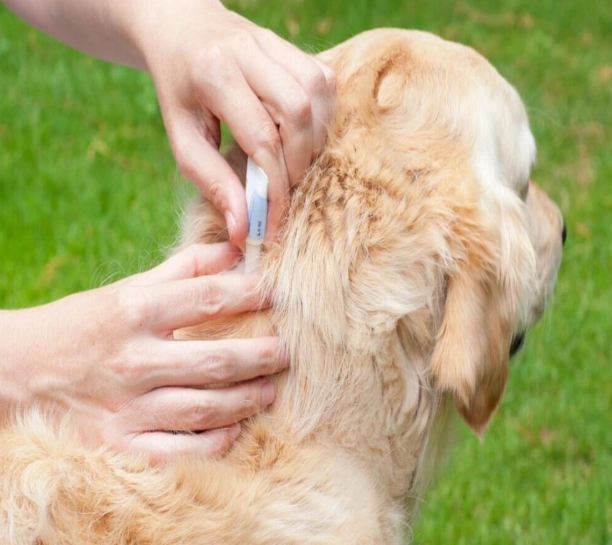
A quick reality check: If your home is already in the throes of a severe flea infestation (you see fleas hopping on carpets, furniture, and your ankles), starting with an herbal rinse alone is like using a squirt gun on a house fire. You'll need to address the environmental lifecycle with thorough cleaning and possibly professional-grade products first. Herbs are your long-term maintenance and prevention crew, excellent for keeping fleas from coming back.
The Top Herbs for Dog Flea Control: A Detailed Breakdown
Not all herbs are created equal. Some are more potent, some are safer for topical use, and some are better suited for the environment. Based on historical use, modern herbalist practice, and phytochemical analysis, here are the most reliable contenders.
| Herb | Primary Active Compounds | Best Used For | Key Consideration |
|---|---|---|---|
| Rosemary (Rosmarinus officinalis) | Camphor, 1,8-cineole, verbenone | Herbal rinses, DIY shampoos, bedding sprinkles (dried). | Very safe for most dogs. Avoid concentrated essential oil on epileptic pets. |
| Neem (Azadirachta indica) | Azadirachtin, Nimbin, Salannin | Neem oil diluted in carrier oil for spot-on, neem leaf powder for environment. | Powerful but bitter-smelling. The oil MUST be heavily diluted to avoid skin irritation. |
| Peppermint/Spearmint (Mentha spp.) | Menthol, menthone | Freshening rinses, room/yard sprays (diluted essential oil). | Invigorating scent. Use cautiously as some dogs find strong mint overwhelming. |
| Lavender (Lavandula angustifolia) | Linalool, linalyl acetate | Calming herbal sprays for bedding, mild rinse additive. | Promotes relaxation. Ensure you use true lavender, not lavandin, for safety. |
| Lemongrass (Cymbopogon citratus) | Citral, geraniol, myrcene | Yard sprays, outdoor area treatment. Not for direct dog application. | Excellent environmental repellent. Too strong for direct contact with dog skin. |
| Fennel (Foeniculum vulgare) | Anethole, estragole | Minor additive in herbal blends, more historical use. | Milder action. Best combined with stronger herbs like rosemary. |
Rosemary: The All-Rounder Champion
If I had to pick one herb to start with, it's rosemary. It's accessible, safe, and effective. A strong rosemary tea (steep 1 cup of dried rosemary in 1 quart of boiling water, cool, and strain) makes an excellent final rinse after your dog's bath. The scent clings to the coat for days. I've had clients simply rub dried rosemary sprigs into their dog's bedding with noticeable results. The ASPCA lists rosemary as non-toxic to dogs, which adds to its appeal for cautious pet parents.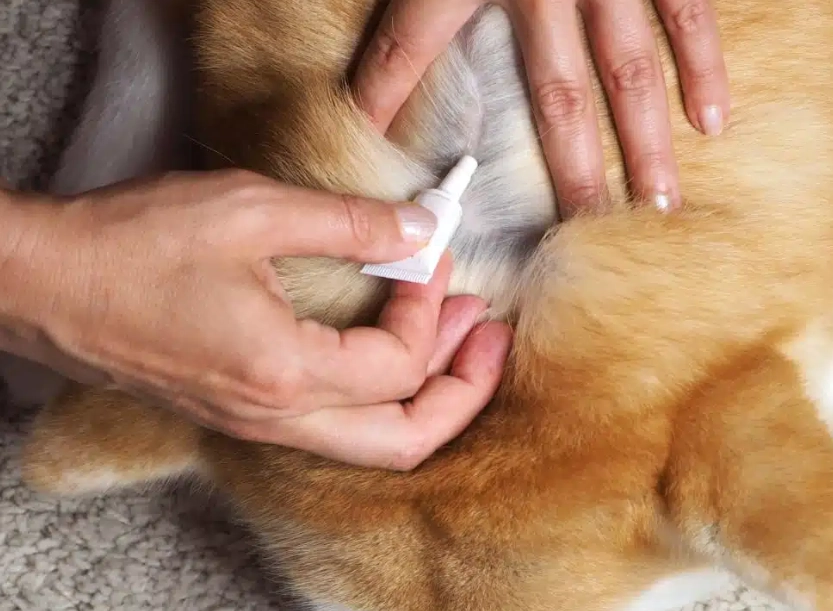
Neem: The Heavy Hitter (Handle With Care)
Neem is in a different league. It doesn't just repel; it can disrupt growth and reproduction. This makes it incredibly valuable. However, this power comes with responsibility. Never apply pure neem oil to your dog's skin. It's thick and can cause severe irritation. You must dilute it in a carrier oil like fractionated coconut oil at a ratio of about 1 part neem oil to 10 parts carrier oil. Test a tiny spot first. The smell is pungent—like garlic and peanuts had a bitter baby—so be prepared. For the environment, neem leaf powder sprinkled lightly on carpets before vacuuming can help.
Practical Application: How to Use These Herbs Safely on Your Dog
Knowing the herbs is half the battle. Using them correctly is the other. Here’s how to translate that knowledge into action.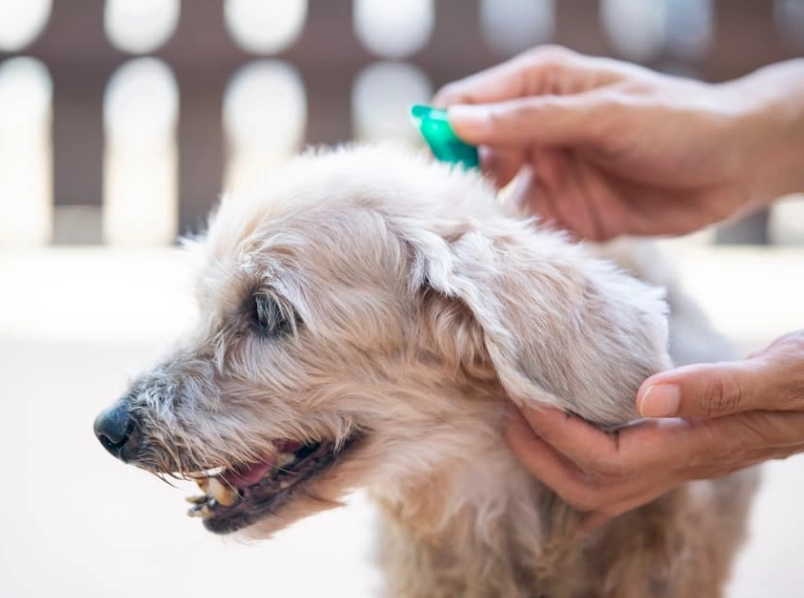
The Herbal Flea Rinse (My Go-To Method):
- Bring 2 quarts of water to a boil.
- Add 1 heaping cup of dried rosemary and ½ cup of dried peppermint or lavender.
- Remove from heat, cover, and steep until completely cool (overnight is ideal).
- Strain the herbs out, pouring the liquid into a jug or spray bottle.
- After bathing your dog with a mild, unscented shampoo, slowly pour the cool herbal tea over them as a final rinse. Do not rinse it off. Gently towel dry. The herbs will leave a protective, fragrant layer on the coat.
DIY Herbal Flea Collar:
Soak a simple cotton or rope dog collar in the diluted herbal rinse described above. Let it dry completely before putting it on your dog. Re-soak every week or two to refresh. This provides localized, constant repellent action around the neck and head—a favorite flea entry point.
Essential Oil Warning: This is where most well-meaning owners go wrong. Essential oils are highly concentrated. Using them undiluted ("neat") on your dog's skin can cause chemical burns, toxicity, and respiratory distress. If you use them, dilution is non-negotiable: typically 1 drop of essential oil per 1-2 tablespoons of a carrier oil (like sweet almond or olive oil) for a spot-on treatment. Better yet, diffuse them in the air in a well-ventilated room where your dog can leave if bothered, rather than applying them directly.
Don't Forget the Fort: Environmental Flea Control with Herbs
Fleas on your dog are just the tip of the iceberg. 95% of the problem (eggs, larvae, pupae) lives in your environment—carpets, upholstery, and cracks in the floor. Herbs can help here too.
Herbal Carpet Powder: Mix equal parts dried, finely crumbled rosemary, lavender, and mint with food-grade diatomaceous earth (DE). DE is a fine powder that physically damages fleas' exoskeletons. Lightly sprinkle this mixture on carpets, let it sit for 30 minutes to an hour, then vacuum thoroughly. Keep your dog out of the room during application and until after vacuuming to avoid inhalation.
Yard Spray: Boil a large pot of water with several lemongrass stalks and a handful of rosemary. After cooling and straining, add a tablespoon of castile soap (which helps the mixture stick to foliage) and pour into a garden sprayer. Lightly mist your yard's perimeter, patio, and dog's favorite resting spots. Reapply after heavy rain.
Safety First: Crucial Precautions Every Pet Owner Must Know
"Natural" does not automatically mean "safe." Dose, concentration, and individual sensitivity matter immensely.
- Puppies, Seniors, and Sick Dogs: Their systems are more vulnerable. Use milder herbs (like rosemary) at weaker concentrations and avoid essential oils altogether.
- Cats in the Household: Cats lack certain liver enzymes. Many herbs and essential oils safe for dogs (like peppermint, citrus, many others) are toxic to cats. If you have cats, focus on herbs safe for both, like rosemary, and avoid diffuse oils in shared spaces.
- The Patch Test: Before any full-body application, wet a small area on your dog's inner leg with your herbal preparation. Wait 24 hours. Check for redness, itching, or swelling. No reaction means you're likely good to go.
- Internal Use: Do not add these herbs to your dog's food unless under the direct guidance of a veterinary herbalist. Flea repellent is a topical/environmental strategy.
Your Flea Herb Questions Answered
The journey to a flea-free dog using herbs is about consistency and smart strategy. It's not a single silver bullet but a toolkit. Start with a simple rosemary rinse, maintain a clean environment with herbal powders, and always prioritize your dog's safety over a quick fix. By integrating these natural methods, you're not just fighting fleas—you're contributing to your dog's overall well-being with gentle, time-honored solutions.



Leave a comment