You’re cleaning the litter box and see it—loose, unformed stool. Your cat has diarrhea. Your first thought is probably, "What can I give them to make this stop?" The internet is full of advice, but much of it is conflicting or downright dangerous for cats. After years working with veterinarians and fostering cats with sensitive stomachs, I’ve learned that the right approach isn't about finding a magic pill. It's a careful process of supportive care, smart feeding, and knowing when to step back and call the vet.
Let's cut through the noise. Here’s exactly what to do, what to feed, and what to avoid when your cat has an upset digestive system.
Quick Navigation: What’s Covered in This Guide
How to Help Your Cat at Home: The First 24-Hour Protocol
Before you give your cat anything, follow this sequence. Rushing to feed or medicate can often make things worse.
Withhold Food (Briefly)
This is the step everyone hesitates on, but it’s crucial. A 12 to 24-hour fast (no more than 24 hours for adult cats) gives the inflamed gastrointestinal tract a chance to rest. Think of it like hitting the reset button. Important: This is for food only. Water must always be available. Never fast kittens, elderly cats, or cats with known medical conditions like diabetes without consulting your vet.
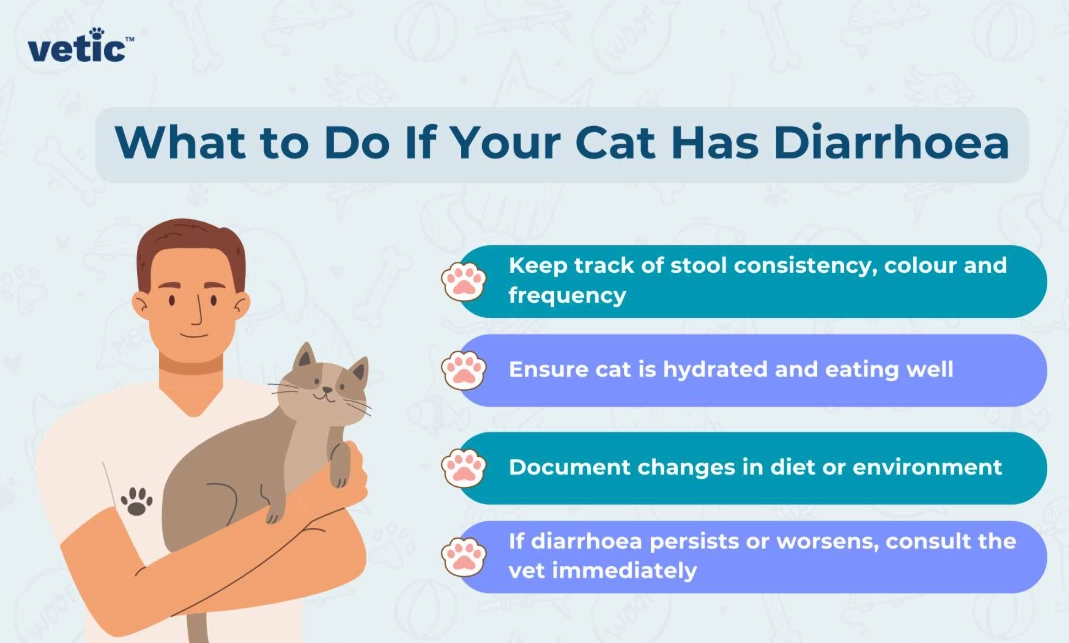
Ensure Hydration
Diarrhea causes fluid loss. Dehydration is your silent enemy here. Make sure fresh, clean water is available. If your cat isn't interested, try these tricks:
- Offer a cat water fountain (the moving water often entices them).
- Add a bit of low-sodium chicken or tuna broth (make sure it’s onion and garlic-free) to their water.
- Offer ice cubes to lick.
Pro Tip: Do a "skin tent" test. Gently pinch the skin at the back of your cat’s neck. If it snaps back immediately, hydration is likely okay. If it retracts slowly, your cat is becoming dehydrated and needs closer monitoring or a vet visit.
Reintroduce a Bland Diet
After the short fast, don’t jump back to their regular kibble. You need a bland, easily digestible meal. The gold standard is plain, boiled chicken breast (no skin, no bones, no seasoning) or white fish like cod. Shred it finely. You can mix in a little plain, cooked white rice or plain canned pumpkin (not pie filling) for fiber. Start with a tablespoon-sized portion. If that stays down, offer another small meal 3-4 hours later.
What to Feed a Cat with Diarrhea: The Best & Worst Foods
Let’s get specific. What you put in the bowl directly impacts recovery.
The Ideal Bland Diet: What to Cook
Here’s a simple recipe I’ve used dozens of times:
- Protein: 1 cup boiled, shredded chicken breast or white fish.
- Binder/Fiber: 1/4 cup plain canned pumpkin or 1/2 cup cooked white rice.
- Moisture: 1/2 cup of the cooking water or plain water to make a mushy consistency.
Mix thoroughly. Feed small amounts (1-2 tbsp for an average cat) every 3-4 hours for the first day. The goal is frequent, tiny meals.
Foods to Strictly Avoid
This is where many owners go wrong. Never give these to a cat with diarrhea:
| Food/Substance | Reason to Avoid |
|---|---|
| Dairy (Milk, Cheese) | Most cats are lactose intolerant. It will worsen diarrhea and cause gas. |
| Fatty Meats or Oils | High fat is hard to digest and can trigger pancreatitis. |
| Human Anti-Diarrheal Meds (e.g., Pepto-Bismol, Imodium/Loperamide) | Extremely dangerous for cats! Can cause severe neurological toxicity and death. |
| Spices, Seasonings, Garlic, Onion | Toxic to cats and irritate the gut. |
| Their Regular Treats or Rich Food | Wait until stools are fully normal for 2-3 days before reintroducing. |
Transitioning Back to Regular Food
Once your cat has had normal, firm stools on the bland diet for 24-48 hours, begin a slow transition. Don’t just switch back. Over 3-4 days, mix increasing amounts of their regular food with decreasing amounts of the bland diet. A sudden switch will likely cause diarrhea to return.
When Diarrhea Means a Vet Visit: Red Flags You Can’t Ignore
Home care is only for mild, acute cases in otherwise healthy cats. Here are the signs that mean you need to stop Googling and call the vet.
Symptoms That Require Immediate Veterinary Attention
- Blood in the stool (red or black, tarry stool).
- Vomiting accompanying the diarrhea.
- Lethargy, depression, or hiding.
- Loss of appetite for more than 24 hours.
- Diarrhea that persists beyond 48 hours of home care.
- Signs of pain (crying, tense abdomen).
- If your cat is a kitten, senior, or has a pre-existing condition (like kidney disease).
This is critical: Loperamide (Imodium) is a common human medication that is highly toxic to many cats, especially certain breeds. It can cause severe sedation, respiratory depression, and be fatal. Never administer any human medication without explicit veterinary instruction.
What Your Vet Will Likely Do
If you go to the vet, be prepared. They might:
- Perform a physical exam, checking for dehydration and abdominal pain.
- Run tests: fecal exam for parasites, blood work, possibly x-rays or ultrasound.
- Prescribe treatments like dewormers, antibiotics for specific bacterial infections, probiotics, or prescription gastrointestinal diets.
Organizations like the American Animal Hospital Association (AAHA) provide guidelines vets follow for managing gastroenteritis, ensuring a standardized, thorough approach.
Understanding Why Your Cat Has Diarrhea
To prevent future episodes, it helps to know the "why." Common causes include:
- Dietary Indiscretion: The number one cause. They got into the trash, ate a bug, or you changed their food too quickly.
- Parasites: Giardia, coccidia, and worms are frequent culprits, even in indoor cats.
- Stress: A new pet, a move, or even changes in routine can trigger colitis (inflammation of the colon).
- Food Intolerance or Allergy: An ingredient in their food doesn’t agree with them.
- Underlying Medical Conditions: Inflammatory bowel disease (IBD), hyperthyroidism, or kidney disease can present with chronic diarrhea.
Common Mistakes When Treating Cat Diarrhea at Home
Here’s where experience talks. I’ve seen these errors set back recovery time and again.
Mistake 1: Immediately switching back to old food. The gut lining is still healing. A sudden reintroduction of rich food or novel proteins shocks the system. That’s why the slow transition is non-negotiable.
Mistake 2: Using human probiotics willy-nilly. Not all probiotics are equal. Human strains may not colonize a cat's gut effectively. A vet-recommended probiotic like Purina Pro Plan FortiFlora or a prescription one is formulated for feline biology. Research from institutions like the Cornell Feline Health Center supports the use of specific probiotic strains in managing feline diarrhea.
Mistake 3: Ignoring the role of hydration. People focus on the stool and forget about water intake. Offering subcutaneous fluids at home (if taught by your vet) or using oral rehydration solutions designed for pets can be a game-changer for recovery.

Leave a comment