We obsess over their coat, their teeth, their diet. But their paws? Those tough little cushions bear the brunt of every walk, run, and jump, and they're often the most neglected part of a dog's body. A solid dog paw care routine isn't just about aesthetics; it's preventative healthcare. Cracked pads, infections, and embedded debris aren't just painful—they can sideline your best friend. I learned this the hard way when my Labrador, Finn, developed a persistent limp from a tiny, unnoticed cut between his toes. After that vet visit, I made paw care non-negotiable.
What You'll Learn in This Guide
The Essential Daily Paw Check
Think of this as a 30-second visual scan. Do it after every walk, especially in messy weather. You're looking for four things.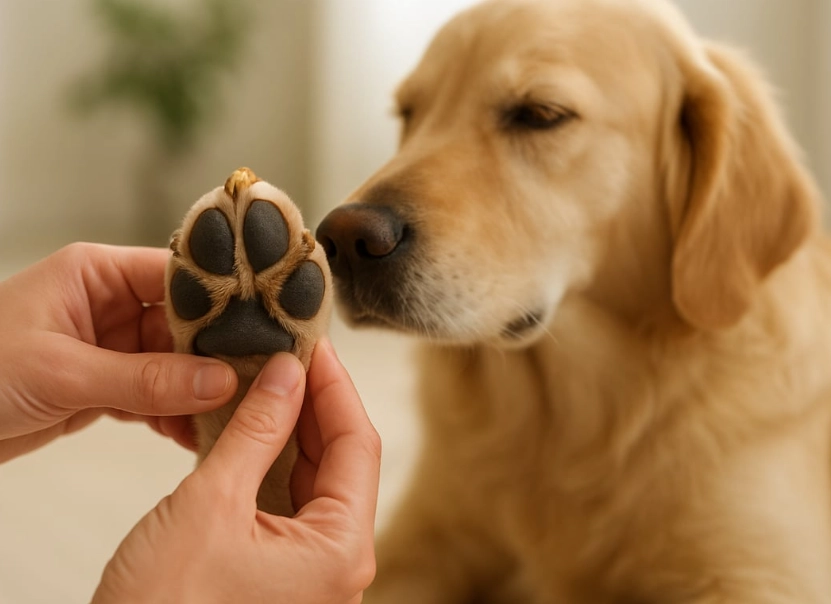
Foreign Objects: Small stones, bits of glass, plant material (like foxtails), and, in winter, ice balls lodged between the toes.
Cuts and Abrasions: Check the pads and the webbing. A small cut can look like a dark line.
Discoloration or Swelling: Redness between the toes often signals a yeast or bacterial infection (pododermatitis). Generalized swelling needs a vet.
Dryness and Cracking: Pads should be supple, like tough leather. If they look flaky, grayish, or have deep cracks, they need attention.
How to Clean Your Dog's Paws the Right Way
This is where most people go wrong. Baby wipes or a quick rinse under the tap aren't enough, and they can sometimes cause more issues.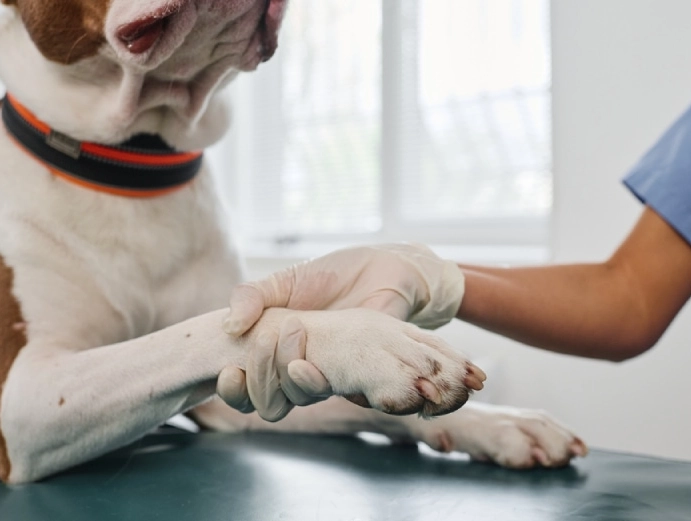
Gathering Your Supplies
Keep a kit by the door: a shallow basin, a few soft microfiber cloths or cotton pads, and a gentle, dog-specific cleanser. I use a diluted chlorhexidine solution for general cleaning (vet-approved), but plain lukewarm water works for daily grime. Avoid human soaps—they strip natural oils.
The Step-by-Step Cleaning Process
Fill the basin with just enough water to cover the pads. Have your dog stand in it, or lift each paw and swish it around. Use your fingers to gently spread the toes and rinse the crevices. Pat dry thoroughly with a towel, again getting between the toes. Dampness is the enemy—it's a breeding ground for microbes.
For muddy paws, let the mud dry completely and brush it off first. Trying to wash wet mud just makes a paste that's harder to remove.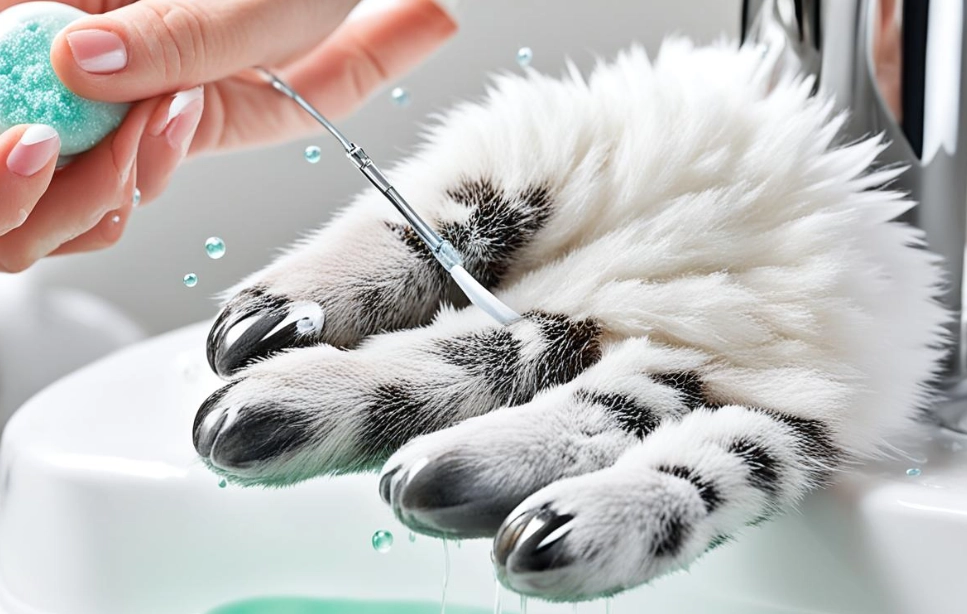
To Moisturize or Not? Finding the Balance
Dog paw pads are designed to be tough. Over-moisturizing can make them soft and vulnerable. But under certain conditions, they need help.
Use a Paw Balm When:
- Pads are visibly dry, cracked, or rough.
- You're heading into extreme weather (hot pavement, salted sidewalks).
- Your dog is older, as pad elasticity decreases with age.
How to Apply It: A little goes a long way. Massage a pea-sized amount into each pad before bed, so it can absorb overnight without being tracked everywhere. Look for balms with natural, edible ingredients like beeswax, shea butter, and coconut oil—if they lick it, it's safe. I'm partial to brands that use organic calendula for its healing properties.
Avoid petroleum-based products like Vaseline. They create a barrier but don't moisturize, and they can trap dirt and bacteria against the skin.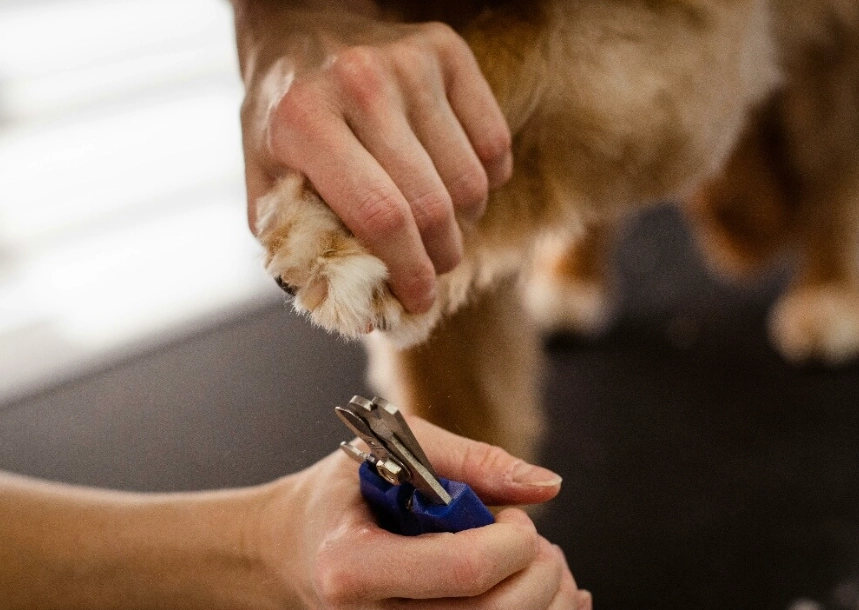
Fur and Nail Management
Hair between the paw pads isn't just cute; it provides some insulation and protection. But too much is a problem.
Long hair mats easily, trapping moisture, dirt, and debris. It also reduces traction on smooth floors. Use blunt-tipped scissors or a small trimmer to carefully trim the hair level with the pads. Don't shave it down to the skin—you're just tidying up, not creating a runway look.
Overgrown nails change how a dog stands and walks, putting unnatural pressure on the toe joints and pads. You should hear a soft "click" on hard floors, not a constant tap. Regular filing or clipping is part of paw health. If you're nervous, a professional groomer or your vet can show you the quick (the pink part with blood vessels) to avoid.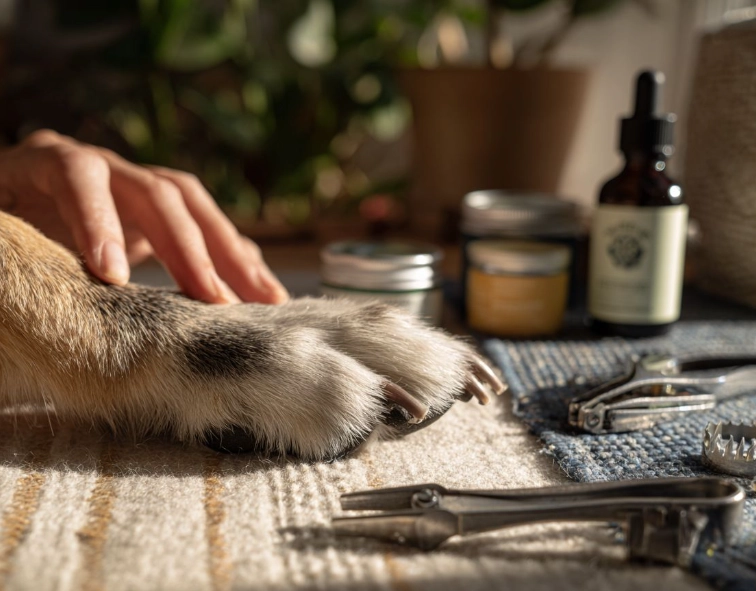
Tackling Seasonal Paw Challenges
Paw care isn't static. You need to adapt with the seasons.
| Season | Main Threat | Preventive Action | Post-Walk Care |
|---|---|---|---|
| Summer | Burned pads from hot asphalt/concrete | Walk in early morning/late evening. Use the 7-second test (back of your hand on pavement). | Cool water soak. Apply soothing balm. |
| Winter | Ice melt chemicals, salt, cracking cold | Use dog boots or a protective wax barrier before walks. | Immediate wash to remove chemicals. Dry thoroughly. Check for ice balls. |
| Spring/Fall | Allergens (pollen, mold), sharp plant debris | Wipe paws after grassy/wooded walks to remove allergens. | Inspect closely for foxtails, burrs, and cuts. |
That "7-second test" is crucial. If you can't comfortably hold your hand on the pavement for seven seconds, it's too hot for your dog's paws. I see people forget this in early summer, when the air is cool but the sun has been baking the roads all day.
Spotting and Solving Common Paw Problems
Even with great care, issues pop up. Here's how to handle the frequent ones.
Licking and Chewing: This is a symptom, not the problem. It could be allergies, pain, anxiety, or infection. First, rule out physical issues with a thorough check. If paws look clean and intact, a vet visit is next to check for environmental or food allergies.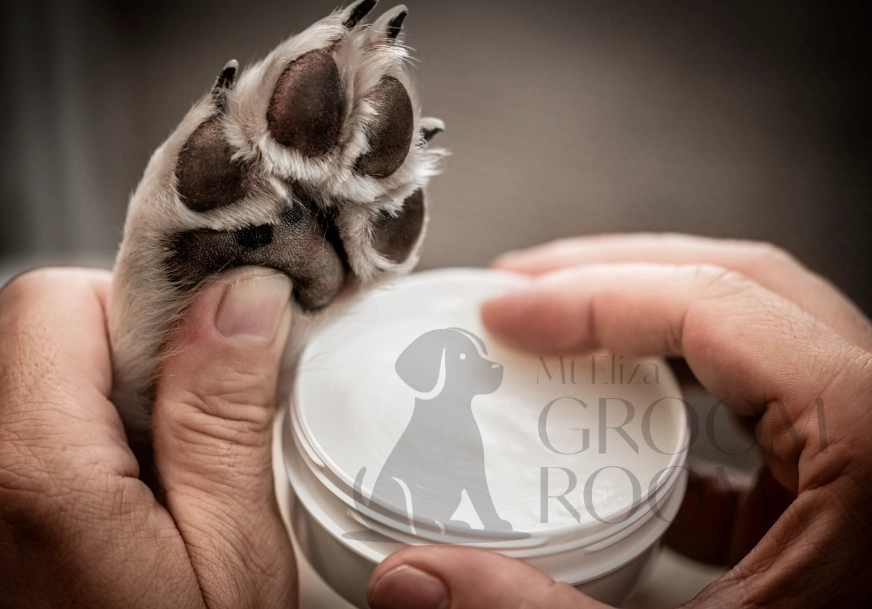
Yeast Infections (Brown Gunk): A smelly, brownish discharge between the toes often means yeast. This thrives in moisture. Treatment usually involves medicated wipes or soaks from your vet. Keeping paws impeccably dry is half the battle.
Cracked Pads: For superficial cracks, consistent use of a high-quality paw balm will heal them. Deep, bleeding cracks need veterinary attention—they may require antibiotics to prevent infection and special bandaging.
Foreign Body (e.g., Foxtail): These grass seeds burrow inward, causing sudden, intense licking and swelling, often between toes. Do not wait. See a vet immediately. They can migrate deep into the body, causing severe damage.
Your Dog Paw Care Questions, Answered
A consistent dog paw care routine is a simple act with profound benefits. It prevents pain, catches small issues before they become big ones, and deepens the bond of trust with your dog. It's not about being perfect every single day. It's about paying attention. Start with the daily check. Build from there. Your dog's silent, hardworking paws will thank you with every happy, pain-free step they take.
Leave a comment