Let's cut to the chase. If you're searching "are peanuts bad for dogs teeth," you probably just dropped one on the floor and your furry vacuum cleaner is giving you the look. The short, direct answer is: peanuts themselves aren't a direct dental hazard like hard bones or antlers, but the way we typically feed them introduces risks that can indirectly wreck your dog's oral and overall health. Most articles stop at "shells are bad" and call it a day. That's missing 90% of the story. After talking to vets and seeing the aftermath in my own dogs over the years, the real concerns are sneakier—salt, fat, mold, and a false sense of security that leads to overfeeding.
What You'll Learn in This Guide
The Direct Dental Impact: Crunch vs. Risk
Peanuts are relatively soft for a dog's tooth. They're not going to crack a molar like a cow hoof or an ice cube might. So, on a pure mechanical level, the peanut kernel gets a pass. But here's where owners get tripped up.
The shell is the obvious villain. It's abrasive, fibrous, and can splinter. It can get wedged in gums, between teeth, or worse, cause an intestinal blockage or laceration if swallowed. Always, always shell the peanut. No exceptions.
A hidden dental downside? The soft, starchy nature of peanuts. Unlike a crunchy dental kibble or a rubber chew that scrapes plaque, a peanut mashes into a paste. This paste can stick to teeth, especially in the crevices, potentially contributing to plaque buildup if your dog's dental hygiene isn't top-notch. It's not a major cause, but it's certainly not helping clean their teeth either.
The Bigger Health Risks (It's Not Just Teeth)
Focusing solely on teeth is like worrying about a scratch on a car that's low on oil and has bad brakes. The systemic risks of feeding peanuts to dogs are far more significant.
1. Salt & Seasoning Poisoning
Human peanuts are loaded with salt. Even "lightly salted" is too much for a dog's small body. Excessive salt can lead to sodium ion poisoning—symptoms include vomiting, diarrhea, tremors, high temperature, and seizures. It's a veterinary emergency. Dry-roasted? Often have added oils and flavorings. Just don't.
2. Fat, Fat, and More Fat
Peanuts are about 50% fat. A few peanuts might seem harmless, but they are calorie-dense. For a small dog, 3-4 peanuts can be a significant chunk of their daily calorie intake. Regular feeding contributes directly to obesity and can trigger pancreatitis—a painful, dangerous inflammation of the pancreas that requires immediate vet care. I learned this the hard way with my previous Beagle after sharing "just a few" too many times.
3. Aflatoxin: The Invisible Killer
This is the expert-level concern most pet sites gloss over. Peanuts (and corn, and other grains) can harbor a mold that produces aflatoxin. It's a potent carcinogen that causes irreversible liver damage. The U.S. FDA regulates it in human food, but pet food and treat standards can be less stringent. Storing peanuts poorly (warm, humid places) increases this risk. You can't see or smell it. Feeding old or bulk-bin peanuts amplifies the danger.
4. Choking and Obstruction
Whole peanuts, especially for eager, gulping dogs, are a perfect choking hazard. They can also cause a blockage in the esophagus or intestines, particularly in smaller breeds.
| Risk Factor | Why It's Dangerous | What to Watch For |
|---|---|---|
| Salt & Seasonings | Sodium ion poisoning, kidney strain. | Excessive thirst, vomiting, tremors, seizures. |
| High Fat Content | Obesity, pancreatitis (severe gut inflammation). | Lethargy, hunched back, repeated vomiting, abdominal pain. |
| Aflatoxin (Mold) | Liver failure, cancer. Cumulative, long-term damage. | Often none until advanced: lethargy, jaundice (yellow gums), vomiting. |
| Choking/Blockage | Physical airway or intestinal obstruction. | Gagging, drooling, distress, inability to poop, vomiting. |
| Allergic Reaction | Though rare in dogs, it can happen. | Itchy skin, hives, swelling, digestive upset. |
The Safe Feeding Protocol: If You Must
Given the risks, I don't actively recommend peanuts. But if you're determined to share this human snack, here's the only safe way to do it. Treat this as a strict checklist.
- Source: Only raw, unsalted, shelled peanuts. Or dry-roasted unsalted. Check the ingredient list: it should say "peanuts." Full stop.
- Quantity: An occasional treat. Think one or two peanuts for a large dog, half for a small dog, once in a blue moon. Never a daily or weekly habit.
- Preparation: Crush or chop them into small pieces to mitigate choking risk.
- Storage: Keep them in a cool, dry place and use them quickly to minimize mold risk.
- Supervision: Give them one at a time while your dog is calm, not in a frantic begging frenzy.
Honestly? It's a lot of rules for a mediocre treat. There are better options.
My personal rule after 15 years with dogs: I don't keep peanuts in the house as a dog treat. The risk/reward ratio is too skewed. The tiny bit of enjoyment my dog gets isn't worth the potential vet bill or long-term health worry. I use dedicated dog treats where the formulation is controlled.
Better, Safer Dental Treat Alternatives
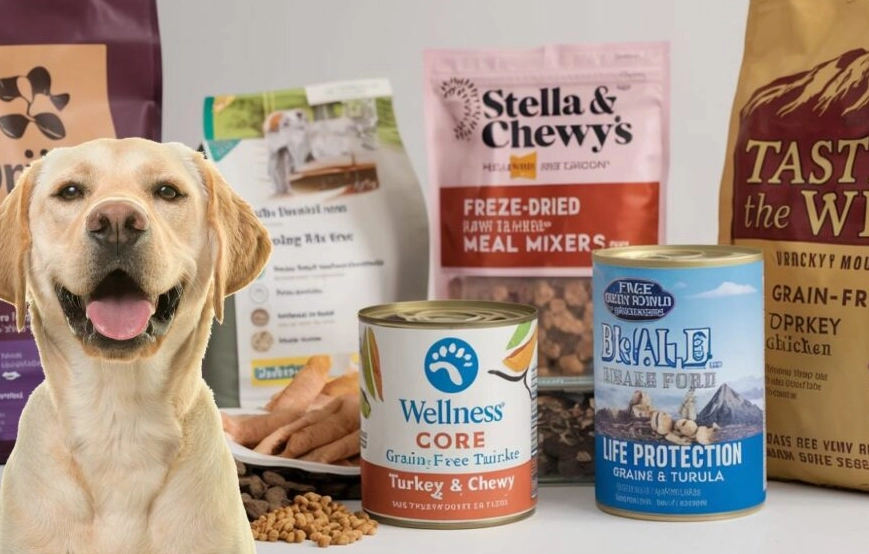
If your goal is a tasty reward or something to promote dental health, skip the peanut aisle entirely. Here are vet-preferred options that actually work:
- Commercial Dental Chews (VOHC Approved): Look for the Veterinary Oral Health Council seal. These are scientifically proven to reduce plaque and tartar. Examples: Greenies, Purina Dentalife. They're designed to be chewed, not gulped.
- Rubber Chew Toys with Paste: Kong-type toys stuffed with a dog toothpaste (never human toothpaste) or frozen wet food. The chewing action cleans teeth, and the paste is formulated for them.
- Raw, Crunchy Vegetables: Carrot sticks, apple slices (no core/seeds), or cucumber chunks. Low-calorie, hydrating, and the crunch provides a mild cleaning action. My current Labrador loves frozen carrot nubs.
- Single-Ingredient Dog Treats: Freeze-dried liver, salmon skins, or sweet potato chews. You know exactly what's in them, and they're wildly popular with most dogs.
Your Top Peanut & Dog Questions Answered
So, are peanuts bad for dogs' teeth? Not directly. But they are a Trojan horse for a host of other, more serious health problems. When you weigh the minimal nutritional benefit against the very real risks of salt poisoning, pancreatitis, mold toxicity, and obesity, the choice becomes clear. Your dog will be just as happy—and far healthier—with a treat made specifically for them. Skip the peanuts, and give them something that loves them back safely.


Leave a comment