You see your dog licking its paws again. And again. You take a closer look, and there they are—dry, rough, maybe even cracked pads. It's a common sight in my years of working with pets, and the good news is, you can often tackle dry dog paws at home. Before you rush to the vet for every minor case, let's talk about safe, effective home remedies that actually soothe and heal. The key is knowing what's causing the dryness and matching the right natural solution to it. I've seen too many well-meaning owners use the wrong stuff and make things worse.
What’s Inside: Your Quick Guide to Healing Paws
- Why Are My Dog’s Paws So Dry? The Real Culprits
- Remedy 1: Coconut Oil – The All-Rounder
- Remedy 2: How to Make a Natural Paw Balm for Dry Dog Paws
- Remedy 3: The Oatmeal Soak for Itchy, Dry Paws
- Remedy 4: Pure Shea Butter for Deep Cracks
- Remedy 5: Aloe Vera for Cooling Relief
- 5 Home Remedies at a Glance: What to Use & When
- Red Flags: When Dry Paws Need a Vet, Not a Home Remedy
- Your Dry Dog Paws Questions, Answered
Why Are My Dog’s Paws So Dry? The Real Culprits
You can't fix the problem if you don't know what's causing it. Dry dog paws aren't just about weather, though that's a big part. Think of your dog's paw pads like the soles of your favorite work boots—they take a beating. Here’s what wears them down:
- Extreme Weather & Surfaces: Hot pavement in summer, icy roads with salt and chemical de-icers in winter, and even dry indoor heating suck moisture right out of the pads.
- Allergies: This is a huge one that gets overlooked. Environmental allergies (pollen, grass) or food allergies can make paws itchy and inflamed, leading to excessive licking and chewing, which dries them out further. It becomes a vicious cycle.
- Over-washing or Harsh Soaps: Washing your dog's paws after every walk is great, but using human shampoo or dish soap strips their natural protective oils. I've seen more cases of dry paws from over-zealous cleaning than from dirt.
- Underlying Health Issues: Sometimes, it's a sign of something internal like autoimmune diseases or hormonal imbalances (think Cushing's disease). These are less common but important to rule out if home care isn't helping.
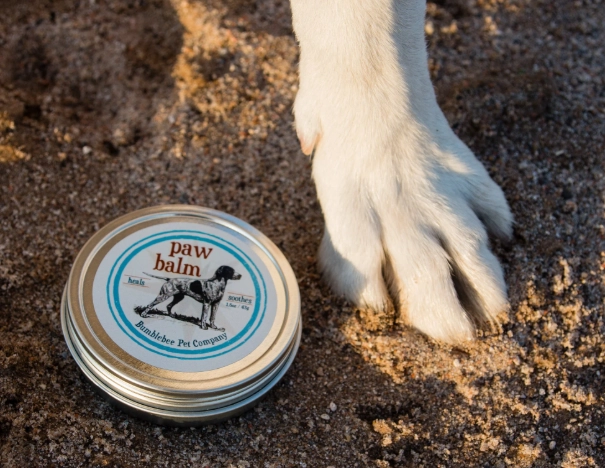
Here’s a tip most blogs miss: Check between the toes and pads. If the dryness is accompanied by redness, brownish saliva stains, or a musty smell, you're likely dealing with a yeast infection secondary to allergies. A simple coconut oil rub won't cut it; you need to address the allergy and possibly get a medicated wash from your vet.
Remedy 1: Coconut Oil – The All-Rounder
Yes, it's on every list. For a reason. But most people use it wrong. They slather on a huge glob and let the dog track it everywhere. Coconut oil is fantastic because it's moisturizing, has mild antibacterial and antifungal properties (great for those between-toe issues), and most dogs won't mind licking a little bit off.
How to do it right: Use a small amount—about a pea-sized dab per paw. Warm it between your fingers until it melts. Gently massage it into the pad and between the toes. Do this at a time when your dog is calm, maybe before bed. Let it absorb for 5-10 minutes before letting them walk on smooth floors. A little goes a long way. Daily application for a week can show dramatic improvement on simple environmental dryness.
Watch out for: Some dogs are allergic to coconut. Try a tiny patch test on the inner leg first. And if your dog has open cracks or sores, skip this and go for a more sterile option like pure aloe vera gel.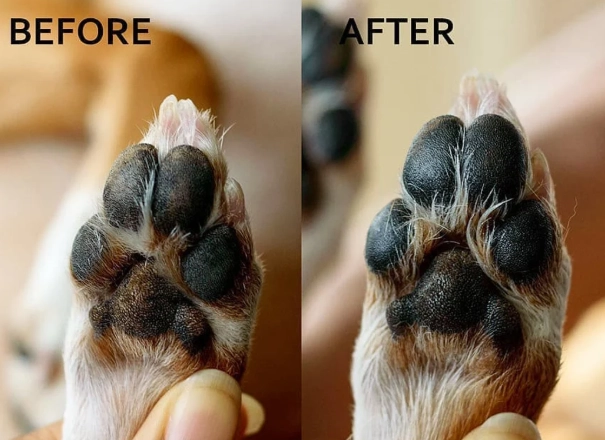
Remedy 2: How to Make a Natural Paw Balm for Dry Dog Paws
Store-bought balms can be expensive and full of fragrances. Making your own is cheaper, and you control the ingredients. This is my go-to recipe for winter months or dogs who hike on rough terrain. It creates a protective barrier.
You'll need:
- 2 tablespoons beeswax pellets (the barrier)
- 4 tablespoons coconut oil (moisturizer)
- 2 tablespoons shea butter or cocoa butter (healer for cracks)
- 1 tablespoon vitamin E oil (optional, for extra healing)
The process: Melt the beeswax, coconut oil, and shea butter together using a double boiler (a heat-safe bowl over a pot of simmering water works). Once melted, remove from heat, stir in the vitamin E oil if using, and pour into small tins or lip balm tubes. Let it solidify. It will have a waxy, salve-like consistency.
Apply a thin layer to clean, dry paws before walks in harsh conditions or at bedtime. This balm is meant to stay on, forming a shield. It’s saved my own dog's paws during countless snowy hikes.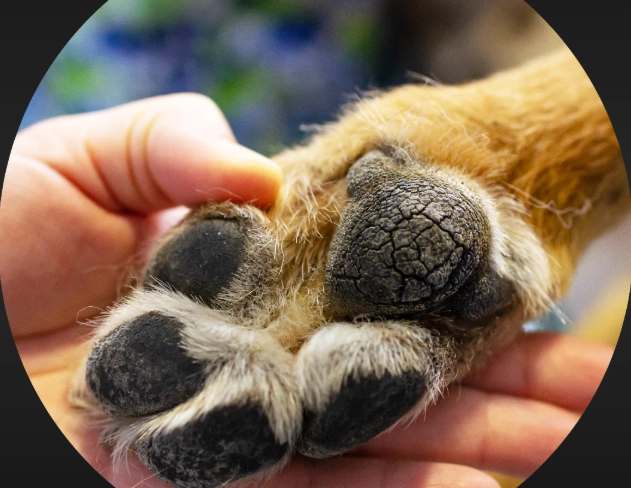
Remedy 3: The Oatmeal Soak for Itchy, Dry Paws
If your dog is licking because the paws are itchy and dry, not just rough, oatmeal is your best friend. It's not a deep moisturizer, but it's a superb anti-inflammatory that relieves the itch, which stops the licking, which allows healing to start. The American Kennel Club often recommends oatmeal baths for skin irritation.
Don't make a full bath. Just a paw soak. Grind plain, uncooked oatmeal into a fine powder using a blender or food processor. Dissolve a handful of this oatmeal powder in a basin of warm (not hot) water. Soak each paw for 5-7 minutes. Gently pat dry, don't rub. Follow up with a moisturizer like shea butter on the pads. Do this 2-3 times a week for itchy flare-ups.
Remedy 4: Pure Shea Butter for Deep Cracks
For seriously dry, cracked, or calloused pads, you need a heavier hitter. Shea butter is it. It's richer and thicker than coconut oil and penetrates deeper to heal cracks. Look for unrefined, raw shea butter. It has a nutty smell and is ivory or yellow in color.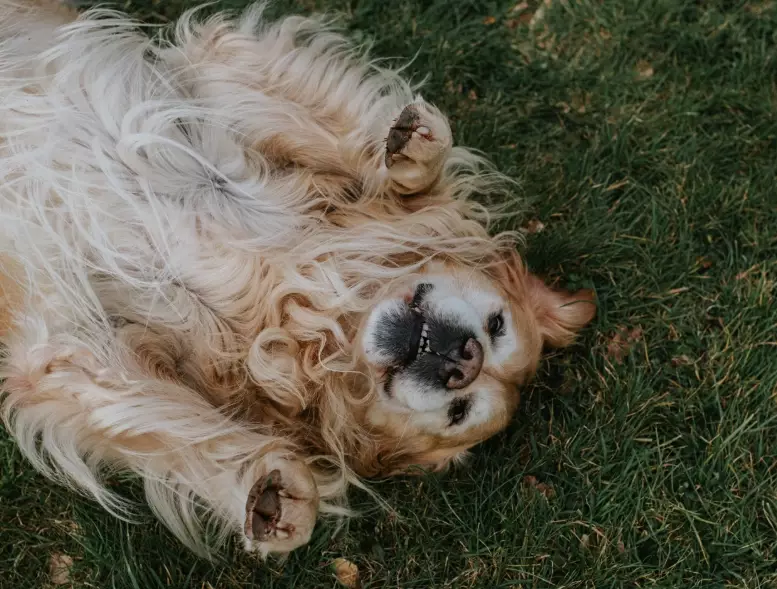
Warm a tiny bit between your fingers and massage it thoroughly into the cracked areas. Because it's so thick, it's best applied right before a long nap or bedtime to allow maximum absorption. You might need to put a light sock on the paw for 20 minutes to prevent it from being immediately licked off (and to protect your furniture). This is a repair treatment, not a daily preventative.
Remedy 5: Aloe Vera for Cooling Relief
Is the dryness accompanied by noticeable redness or warmth? That indicates inflammation. A pure aloe vera gel (straight from the plant leaf is best, or a 100% pure store-bought gel with no additives, alcohol, or xylitol) provides a cooling, soothing effect. It's also mildly astringent and can help keep minor abrasions clean.
Clean the paw with cool water, pat dry, and apply a thin layer of aloe gel. Let it air dry. It can be applied several times a day. This is particularly useful for mild burns from hot pavement or chemical irritation. Critical warning: Ensure any product you use contains NO XYLITOL, an artificial sweetener toxic to dogs. Always read labels.
5 Home Remedies at a Glance: What to Use & When
| Remedy | Best For | Key Benefit | Frequency |
|---|---|---|---|
| Coconut Oil | General dryness, mild maintenance, between-toe care | Moisturizes, mild antimicrobial, safe if licked | Daily for 1 week, then 2-3 times weekly |
| Homemade Paw Balm | Protection before walks (snow, salt, hot pavement), severe dryness | Creates a protective barrier, long-lasting | Before exposure to harsh elements |
| Oatmeal Soak | Itchy, inflamed paws from allergies | Reduces inflammation and itch instantly | 2-3 times per week during flare-ups |
| Shea Butter | Deep cracks, calluses, advanced dryness | Deep penetration and healing of damaged skin | Nightly until cracks heal |
| Aloe Vera Gel | Red, warm, or mildly burned paws | Cools and soothes inflammation, aids minor wounds | As needed, 2-3 times daily |
Red Flags: When Dry Paws Need a Vet, Not a Home Remedy
Home remedies are powerful, but they're not a substitute for veterinary medicine. Stop DIY and call your vet if you see any of these signs:
- Open sores, ulcers, or bleeding cracks: This is an open door for infection.
- Persistent licking/chewing that doesn't stop within a day or two of home treatment.
- Swelling, extreme redness, or pus: Clear signs of infection.
- Limping or obvious pain when walking.
- Dryness that spreads up the legs or to other parts of the body.
- No improvement after 7-10 days of consistent home care.
In these cases, you could be dealing with a bacterial infection, a deep fungal issue, a foreign body (like a grass seed), or a significant autoimmune condition. Your vet can prescribe antibiotics, antifungals, stronger anti-inflammatories, or allergy medication like Apoquel or Cytopoint, which target the root cause of the itching.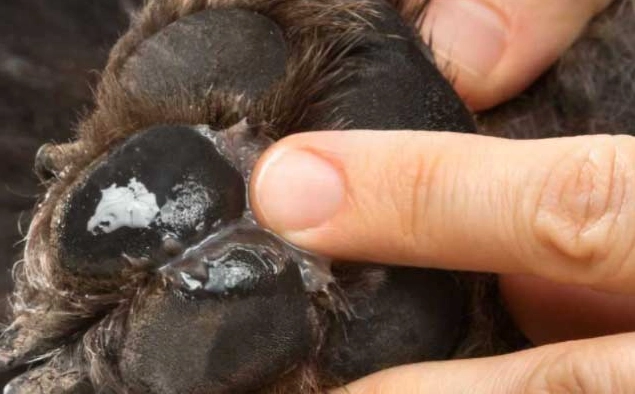
Your Dry Dog Paws Questions, Answered
Can I use olive oil or Vaseline on my dog's dry paws?
Olive oil can provide temporary relief, but it's not as easily absorbed as coconut oil and can leave a greasy residue that attracts dirt. Vaseline (petroleum jelly) is inert and forms a barrier, but it doesn't moisturize or heal—it just seals in whatever's there. It's also not ideal if licked in large quantities. I'd choose a purpose-made balm or coconut oil over these.
My dog licks off any balm I put on immediately. What can I do?
Timing is everything. Apply the treatment right before a meal, during a favorite chew time, or just before bed when they're sleepy. For a heavy-duty treatment like shea butter on a deep crack, a light, breathable dog sock or a recovery cone for 20-30 minutes can allow for absorption. Distraction is your best tool.
How can I tell if my dog's dry paws are infected?
Look beyond dryness. Signs of infection include increased redness that feels warm to the touch, swelling, a foul odor, discharge (yellow or green pus), and your dog showing pain when you touch the paw or when they walk. If you see these, skip the home remedy and head to the vet. An infection needs prescription medication.
Are there any ingredients I should absolutely avoid in homemade remedies?
Yes. Avoid any essential oils unless specifically recommended and diluted by a veterinary professional—many are toxic. Never use products containing xylitol (lethal to dogs), alcohol (drying), or artificial fragrances/dyes which can cause irritation. Stick to simple, edible, single-ingredient items when you start.
Should I trim the hair between my dog's paw pads?
For many dogs, yes. Excess hair can trap moisture, dirt, and allergens, creating a perfect environment for irritation and infection. Carefully trim the hair level with the pad using blunt-nosed scissors. But if the skin underneath is already red and inflamed, let a groomer or vet do it to avoid nicks.

Leave a comment