Let's be honest, a dog licking its paws isn't just annoying—it's a red flag. That constant slurping sound means something's off. Maybe it's allergies, maybe it's anxiety, or maybe they just stepped in something icky. The immediate question every owner has is: what can I safely put on there to make them stop?
I've been through this with my own Labrador, Baxter. After countless vet visits and experimenting with more products than I care to admit, I learned one crucial thing most articles miss: the "what to put on" is only half the battle. If you don't figure out the "why," you're just putting a band-aid on a splinter that's still stuck inside. The right topical solution buys you time and comfort while you work on the root cause.
Here’s the quick answer you came for: Safe options include vet-recommended bitter apple sprays, protective paw balms (look for ones with shea butter or beeswax), diluted apple cider vinegar soaks, and hypoallergenic, lick-safe ointments. Never use human medications, essential oils, or harsh chemicals like bleach or辣椒酱. Now, let's dive into the details so you can choose the right weapon for this particular fight.
What's Inside: Your Quick Guide
Why Is My Dog Obsessively Licking Its Paws?
Before you reach for any bottle or balm, pause. Licking is a symptom. Slapping a deterrent on a painful infection or a severe allergy rash can make things worse and betray your dog's trust. The most common triggers fall into a few categories.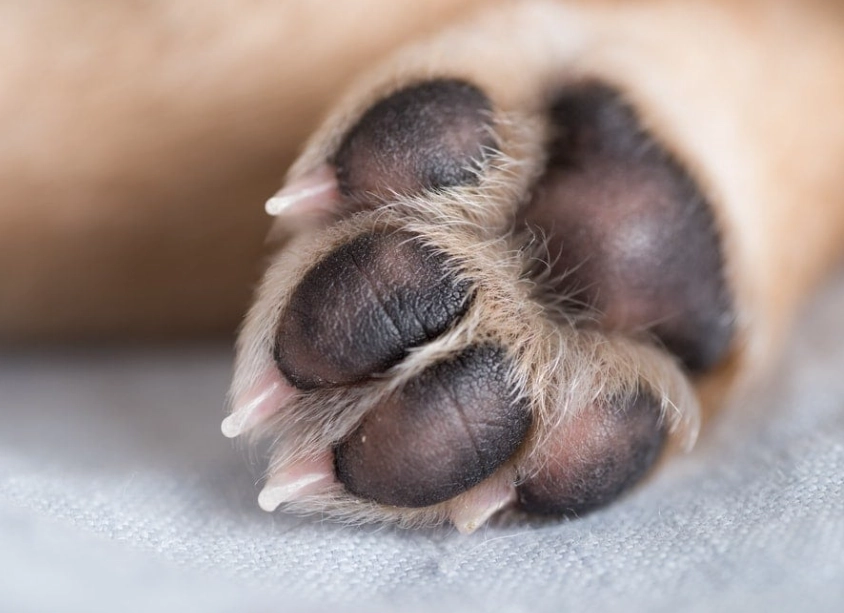
Allergies are the heavyweight champion of paw licking causes. This could be environmental (pollen, mold, dust mites) or food-related. When dogs have allergies, their bodies release histamines, which make the skin, especially between the toes and paw pads, incredibly itchy. They lick to soothe it, but saliva creates a damp environment perfect for yeast and bacteria, leading to a vicious cycle. The American Kennel Club has extensive resources on identifying canine allergies.
Pain or discomfort is another big one. A tiny grass seed, a cracked pad, a torn nail, or even arthritis in the toe joints can cause a dog to focus on the sore spot. I once spent two weeks trying sprays and balms on Baxter before an x-ray revealed a tiny bone spur. The licking stopped almost immediately after we addressed the pain.
Then there's boredom or anxiety. For some dogs, especially high-energy or anxious breeds, licking paws becomes a self-soothing habit, much like nail-biting in humans. It's a compulsive behavior that can continue long after any physical irritation is gone.
Finally, don't rule out contact irritation. Salt on winter roads, chemical lawn treatments, hot pavement, or even a new floor cleaner can burn or irritate the sensitive paw skin.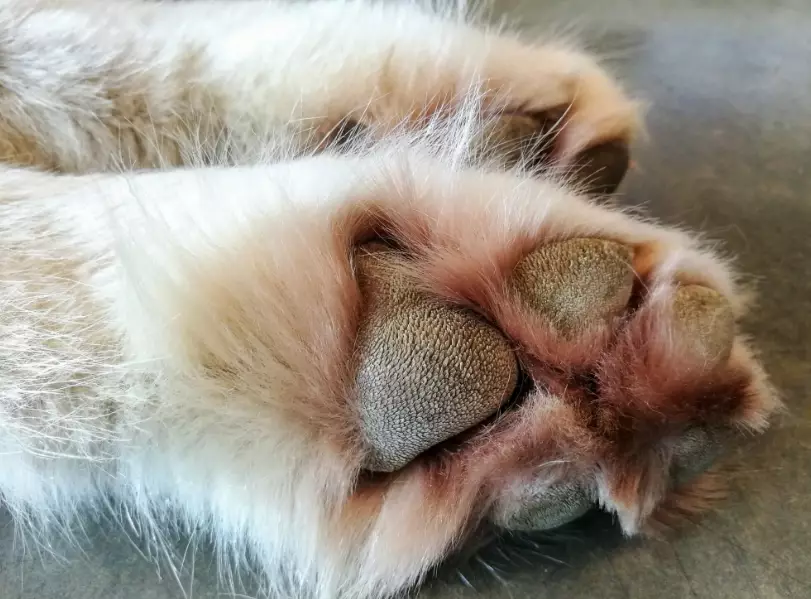
The 7-Point Checklist: What to Put on Your Dog's Paws
This isn't a one-size-fits-all list. Your choice depends entirely on the why behind the lick. Here’s a breakdown of your main options, from simple deterrents to healing agents.
| Solution Type | Core Ingredients / Method | How It Works | Best For... | Key Consideration |
|---|---|---|---|---|
| 1. Bitter Taste Deterrent Sprays | Denatonium benzoate, bitter apple extract, citrus extracts. | Creates an unpleasant taste that discourages licking. Purely behavioral. | Habitual lickers, post-injury protection (once wound is closed), anxiety-related licking. | Must be fully dry before dog can access paws. Avoid on open sores—it stings! |
| 2. Protective & Healing Paw Balms | Beeswax, shea butter, coconut oil, vitamin E, calendula. | Forms a breathable barrier, moisturizes cracked pads, soothes irritation, promotes healing. | Dry/cracked pads, mild irritation, protection from salt/heat, general paw maintenance. | Choose organic, food-grade ingredients since dogs will inevitably lick some off. |
| 3. Anti-Itch & Medicated Sprays/Ointments | Hydrocortisone (low-dose, vet-approved), pramoxine, antifungal/antibacterial agents. | Reduces inflammation (hydrocortisone) or numbs the itch (pramoxine). Treats secondary infections. | Allergy flare-ups, hot spots, yeast/bacterial infections diagnosed by a vet. | Vet consultation is crucial. Misuse of steroids can thin the skin. |
| 4. Natural Astringent Soaks | Diluted apple cider vinegar (1 part ACV to 2-3 parts water), Epsom salt solution, chamomile tea. | ACV restores skin pH, fights yeast. Epsom salt reduces swelling. Chamomile soothes. | Paws that are red, yeasty (brown staining), or mildly swollen. Great for after walks. | Do not use on broken skin—it will sting! Always dilute properly. |
| 5. Physical Barriers (The "Put On" You Wear) | Dog boots/socks, inflatable recovery collars (cone), breathable paw wraps. | Physically blocks access to the paw, allowing it to heal undisturbed. | Severe wounds, post-surgery, extreme cases where licking must stop immediately. | Dogs need acclimation to boots/cones. Monitor for chafing. Not a long-term fix. |
| 6. Calming Topicals (Often Overlooked) | CBD-infused balms (from reputable sources), lavender-chamomile sprays (dog-safe). | Addresses the anxiety component that may be driving the compulsive licking behavior. | Dogs whose licking is stress-related. Use in conjunction with behavioral training. | Research brand quality thoroughly. Not a substitute for addressing underlying anxiety. |
| 7. Hypoallergenic, Lick-Safe Moisturizers | Plain, food-grade coconut oil, pure shea butter, commercial "lick-safe" lotions. | Safe if ingested in small amounts, provides moisture without harmful chemicals. | Dogs with sensitive skin, or as a general moisturizer for preventative care. | Even "safe" ingredients can cause stomach upset in large quantities. Use sparingly. |
How to Choose the Right Paw Solution for Your Dog
Staring at that table might feel overwhelming. Let's simplify it with a decision tree based on what you see.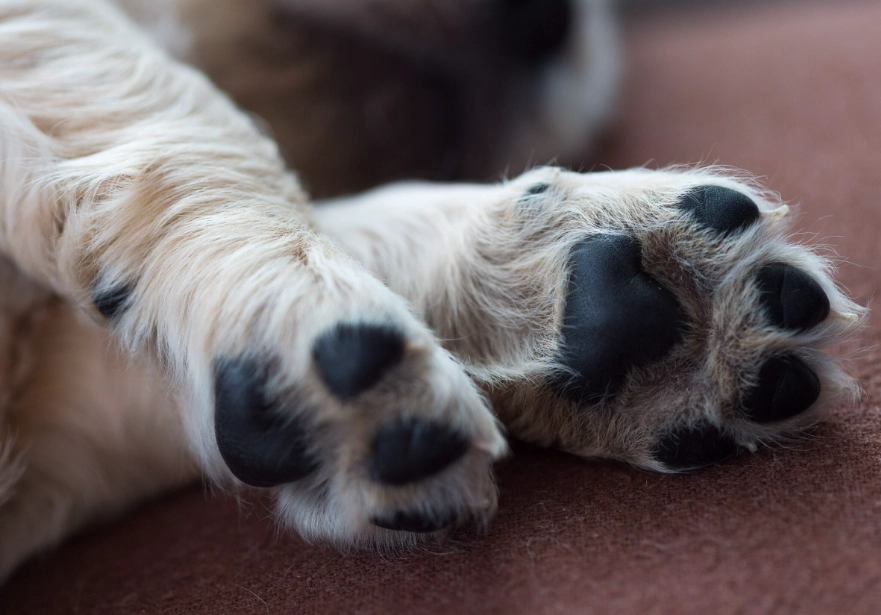
Scenario A: Paws are red, inflamed, smelly, or have gunk between the toes. This screams infection (yeast or bacteria). Your first stop is the vet for a proper diagnosis. They will likely prescribe a medicated wash or ointment. While waiting for the appointment, a diluted apple cider vinegar soak (if no open cuts) can provide some relief. Do NOT use a bitter spray here.
Scenario B: Paws are dry, cracked, or rough, but not red or smelly. This is a job for a high-quality paw balm. Look for a thick, wax-based formula. Apply a thin layer before bed or quiet time when your dog is less active, so it has time to absorb. Musher's Secret is a popular brand, but many excellent options exist.
Scenario C: The skin looks fine, but the licking is constant and seems like a nervous habit. Start with a bitter apple spray to break the physical habit loop. Simultaneously, you must increase mental/physical stimulation and consider anxiety-reducing training or supplements. The spray alone won't fix anxiety.
Common Mistakes & What to Avoid Putting on Paws
In desperation, owners reach for what's in the cupboard. This is where big mistakes happen.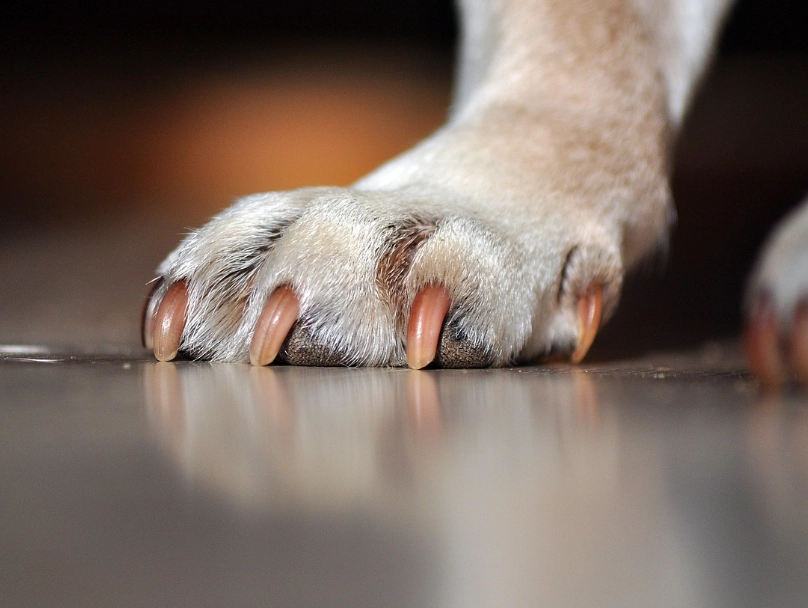
Human Medications: Never use Neosporin, hydrocortisone cream (human strength), or anti-itch creams unless explicitly instructed by your vet. Dogs lick, and ingesting these can be toxic. Human-strength hydrocortisone is also much more potent and can cause skin atrophy.
Essential Oils: The internet is full of dangerous advice about tea tree, peppermint, or eucalyptus oil. Many essential oils are highly toxic to dogs, even through skin absorption. The risk far outweighs any potential benefit. Just don't.
Household Irritants: Hot sauce,辣椒酱, pepper, alcohol, bleach—these are cruel and cause chemical burns. They damage the trust between you and your pet and can lead to severe injury.
Petroleum Jelly (Vaseline): While not toxic, it's a poor choice. It doesn't absorb, so it just sits on the skin, collecting dirt and debris. It can also soften the paw pads too much, making them vulnerable. A proper paw balm is designed to be semi-absorbent and protective.
Beyond the Balm: Long-Term Paw Health & Prevention
Topical solutions are crisis management. For lasting peace, you need a prevention plan.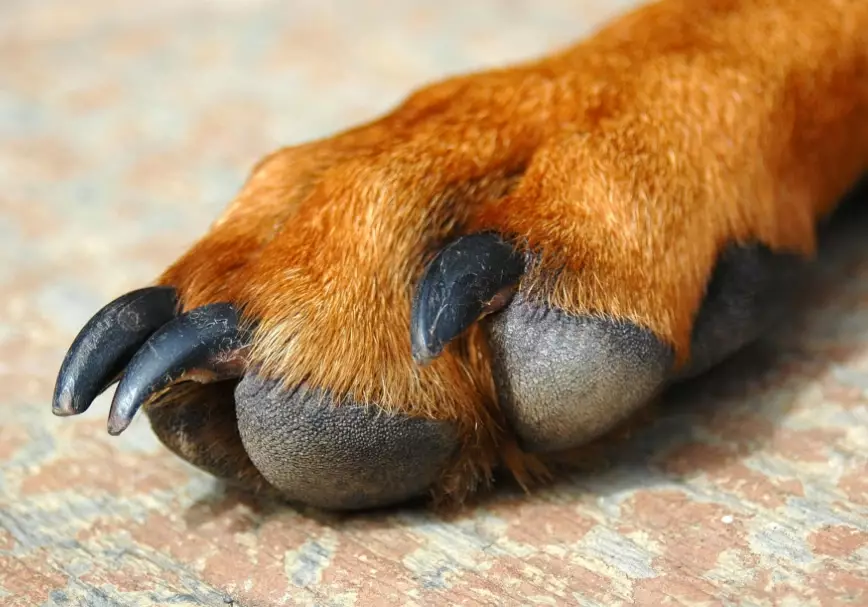
Paw Hygiene is Non-Negotiable. Get in the habit of wiping your dog's paws after every walk with a damp cloth or pet-safe wipe. This removes pollen, dust, and chemicals before they can cause irritation. In winter, rinse off road salt. In summer, check for tar or hot pavement burns.
Diet Matters More Than You Think. For dogs with food allergies, a diet change is the only real solution. Common culprits are beef, dairy, chicken, wheat, and soy. An elimination diet supervised by your vet can identify the trigger. Even for non-allergic dogs, a diet rich in Omega-3 fatty acids (from fish oil) can improve skin health dramatically.
Environmental Control. For environmental allergies, regular bathing with a hypoallergenic shampoo can wash allergens away. HEPA air filters in your home can reduce airborne irritants. The ASPCA provides guidelines for managing pets with allergies.
Mental & Physical Fulfillment. A tired, engaged dog is less likely to develop compulsive behaviors. Increase daily exercise, introduce puzzle toys, and practice basic training to tire their mind. Sometimes, the best thing to "put on" your dog's paws is... miles of walking on safe terrain.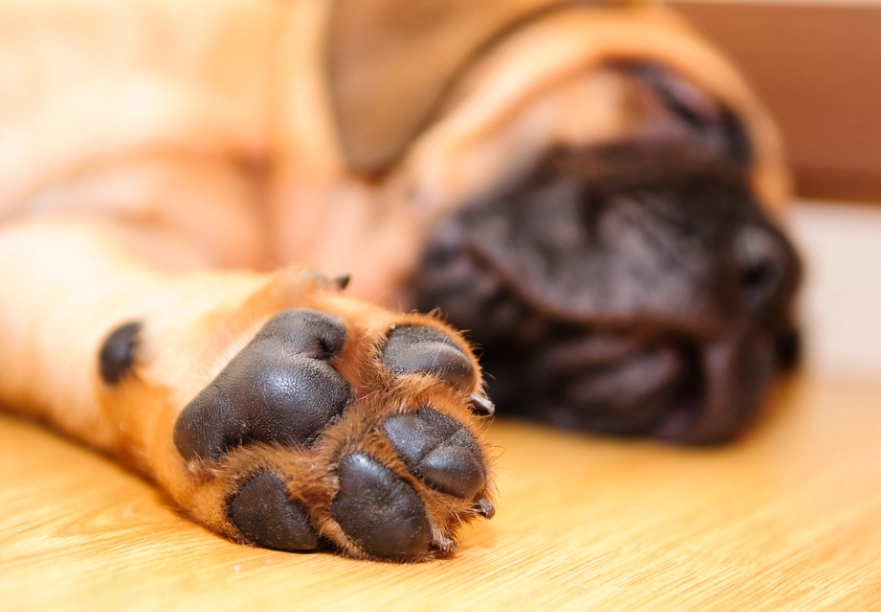
Your Top Questions Answered (FAQ)
Finding the right solution to stop your dog from licking its paws is a mix of detective work and targeted care. Start by identifying the most likely cause, choose a corresponding safe topical from the list, and commit to the supportive care—the wiping, the diet attention, the mental exercise. It's not just about what you put on the paws, but the holistic care you wrap around them. Your dog's quiet, contented sighs (not slurps) will be the best reward.

Leave a comment