Let's be honest, brushing a dog's teeth is a battle most of us lose. The squirming, the weird toothpaste flavors, the guilt when you skip a day. If you're searching for what herbs are good for dogs teeth, you're probably looking for a more manageable way to support your pup's oral health. Good news: nature's pharmacy has some excellent options. The right herbs can help reduce plaque, fight bacteria that cause bad breath, and soothe gums—all without a toothbrush wrestling match. But it's not as simple as sprinkling parsley on their kibble. You need to know which ones work, how to use them safely, and the common mistakes that can undo the benefits.
What You'll Find in This Guide
How Do Herbs Actually Help Dog Teeth?
Think of herbs as a supporting player, not the lead actor. They won't magically dissolve thick tartar (that needs a vet's scaler). Their real power is in creating an oral environment where harmful bacteria struggle to thrive. Plaque is a sticky biofilm of bacteria. If it's not removed, it hardens into tartar. Some herbs have natural antimicrobial properties that can reduce the bacterial load. Others have anti-inflammatory effects that can calm red, irritated gums (gingivitis). A few even contain enzymes or compounds that can gently help disrupt the plaque film.
It's a preventative strategy. I've seen dogs who get regular herbal supplements alongside the occasional dental chew have noticeably less plaque buildup and sweeter breath at their six-month checkups compared to dogs who get nothing. The key is consistency and choosing the right herb for the job.
The Top 5 Herbs for Your Dog's Dental Health
Not all herbs are created equal. Some are superstars for teeth, others are just okay, and a few are downright dangerous. This list focuses on herbs with a track record of use and properties that directly benefit the mouth. I'm leaving out ones that are primarily systemic cleansers or with weak evidence for oral use.
| Herb | Primary Dental Benefit | How It Works & Best Form | Key Consideration |
|---|---|---|---|
| 1. Parsley (Fresh or Dried) | Freshens breath, mild antimicrobial. | Contains chlorophyll and essential oils that neutralize odor-causing compounds. Finely chop fresh parsley and mix into food, or use a tiny pinch of dried. | High in vitamin K; consult your vet if your dog is on blood thinners like Warfarin. |
| 2. Coconut Oil (Not an herb, but a crucial co-star) | Plaque reduction, antibacterial. | Its lauric acid converts to monolaurin, which is known to disrupt bacterial cell membranes. Use as a toothpaste substitute or a small dietary addition (start with 1/4 tsp per 10 lbs). | High in fat. Too much can cause pancreatitis or diarrhea. Strictly limit quantity. |
| 3. Calendula (Marigold) Petals | Soothes inflamed gums, promotes healing. | Excellent anti-inflammatory and vulnerary (wound-healing). Best used as a cooled tea for a mouth rinse or applied to gums with a cotton swab. | Ensure it's Calendula officinalis, not other ornamental marigolds. Very safe for topical oral use. |
| 4. Cinnamon (Ceylon, NOT Cassia) | Potent antibacterial, fights bad breath. | Studies show it inhibits bacteria like E. coli and S. aureus. Use only Ceylon cinnamon in minute amounts (a dusting on food). Cassia cinnamon contains coumarin, which is toxic to livers. | This is the most commonly messed-up herb. Never use Cassia. Use Ceylon sparingly as a flavoring, not a dose. |
| 5. Mint (Spearmint, not Peppermint) | Freshens breath, mild antibacterial. | Similar to parsley but with a stronger flavor many dogs enjoy. Use a fresh leaf or two, chopped. Peppermint can be too strong and irritate some dogs' mouths. | Start with a tiny amount to ensure your dog likes it. Avoid essential oils or concentrated extracts. |
You'll notice I didn't include neem or clove, which are popular in human natural dentistry. Neem is incredibly bitter and can cause GI upset in dogs. Clove oil is far too potent and can cause mouth irritation, liver issues, and even seizures at wrong doses. The "natural" label doesn't automatically mean "safe for dogs."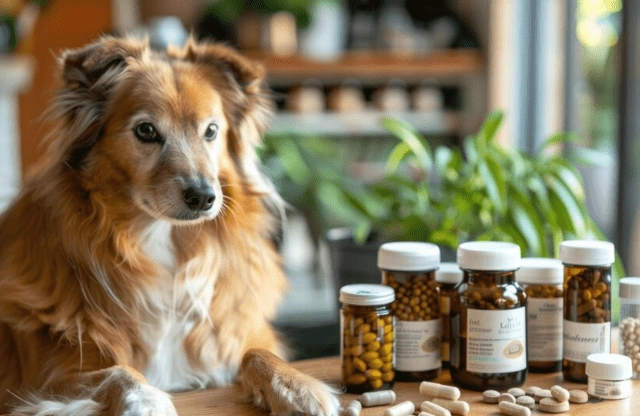
A Critical Distinction: When we talk about using these herbs, we are NOT talking about their essential oils. Essential oils are highly concentrated and can be toxic to dogs, especially when ingested. We are using the whole, dried, or fresh herb in culinary quantities.
How to Use Herbs for Your Dog's Dental Health
Throwing a sprig of parsley in the bowl isn't a plan. Here are practical, effective ways to integrate these herbs.
Method 1: The Food Topper
This is the easiest. Finely chop a teaspoon of fresh parsley or spearmint and mix it into your dog's dinner. For cinnamon, take a pinch of Ceylon powder between your fingers and literally dust the top of the food. The goal is flavor and a tiny therapeutic effect, not a meal replacement.
Method 2: The Herbal "Toothpaste" or Rinse
This is where you see more direct action. Make a mild calendula tea (steep 1 tsp dried petals in 1 cup hot water for 10 mins, then cool completely). Soak a piece of gauze or a finger brush in it and gently rub your dog's gums and teeth. If they hate brushing, you can offer the cooled tea as a drink—some of it will swish in their mouth. Coconut oil can be used alone as a paste.
Method 3: The Dental Chew Infusion
Take a porous, digestible dental chew or a hollow rubber toy. Mix a tiny amount of coconut oil with a pinch of dried parsley or Ceylon cinnamon. Spread it inside the toy or lightly on the chew. The act of licking and chewing spreads the mixture around the mouth.
Pro Tip from a Decade of Trial and Error: Rotate your herbs. Don't give the same one every single day. A month of parsley, then a month focusing on calendula rinses, etc. This prevents any potential, albeit unlikely, sensitivity from developing and covers different aspects of oral health.
Safety First: Herbs and Supplements to Avoid
This is where most online advice falls short. Enthusiasm overrides caution.
Tea Tree Oil (Melaleuca): It's in some "natural" pet dental products. Avoid it completely. Even small amounts can cause severe toxicity in dogs, leading to weakness, tremors, and liver damage. The ASPCA Animal Poison Control Center lists it as a frequent offender.
Clove Oil or Whole Cloves: Too potent for canine oral membranes and risky if swallowed.
Xylitol: Obviously not an herb, but it's in some human herbal toothpastes and supplements. It's lethally toxic to dogs. Always check labels.
The Golden Rule: Start low and go slow. Introduce any new herb in a minuscule amount and watch for 24-48 hours for signs of stomach upset or allergic reaction (itching, hives). When in doubt, ask your vet, especially if your dog has pre-existing conditions like liver disease or is on medication.
Beyond Herbs: The Complete Dental Health Picture
Herbs are a great tool, but they're one tool in the box. Relying on them alone is like trying to build a house with just a hammer.
You still need the foundation: regular veterinary check-ups that include an oral exam. Your vet can spot problems you can't see under the gumline.
You need the structural beams: mechanically abrasive action. This is the single most important thing for removing plaque. It can be from:
- Brushing with a dog-safe toothpaste (the gold standard, even if only 2-3 times a week).
- High-quality, veterinary-recommended dental chews that have the VOHC (Veterinary Oral Health Council) seal.
- Dental-specific diets that are larger kibbles designed to scrape teeth as the dog crunches.
The herbs are the paint and polish—they make everything look and function better, protect the surface, and add finishing touches. But without the foundation and structure, they're just a cosmetic fix.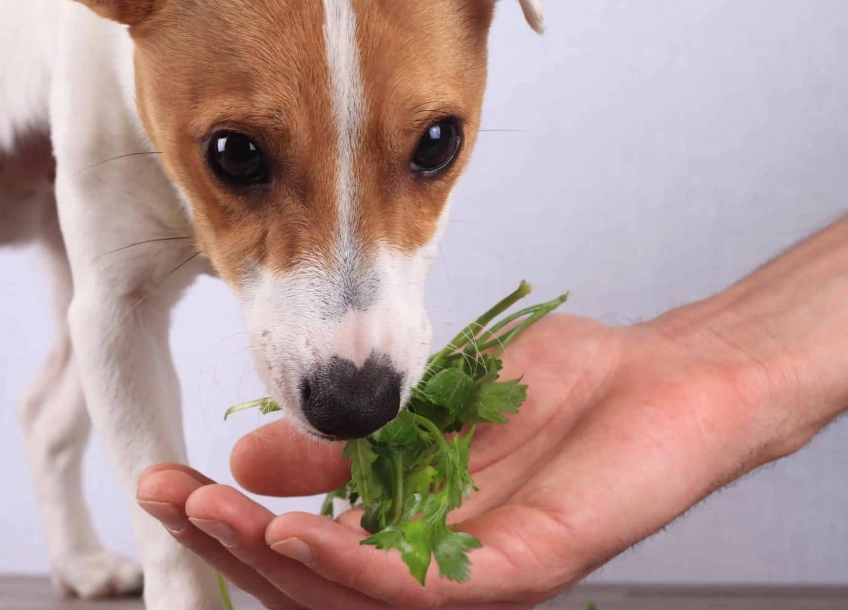




Leave a comment